Get Full Government Meeting Transcripts, Videos, & Alerts Forever!
Get email alerts on the Land Use Industrial Waterfront topic
No spam. Unsubscribe anytime.
Board certifies India Basin EIR despite community air-quality objections; development agreement advances on first reading
Summary
The Board of Supervisors certified the final environmental impact report for the India Basin mixed‑use project after a contentious public hearing focused on air pollution and contamination risks; the board then passed related development ordinances on first reading as amended.
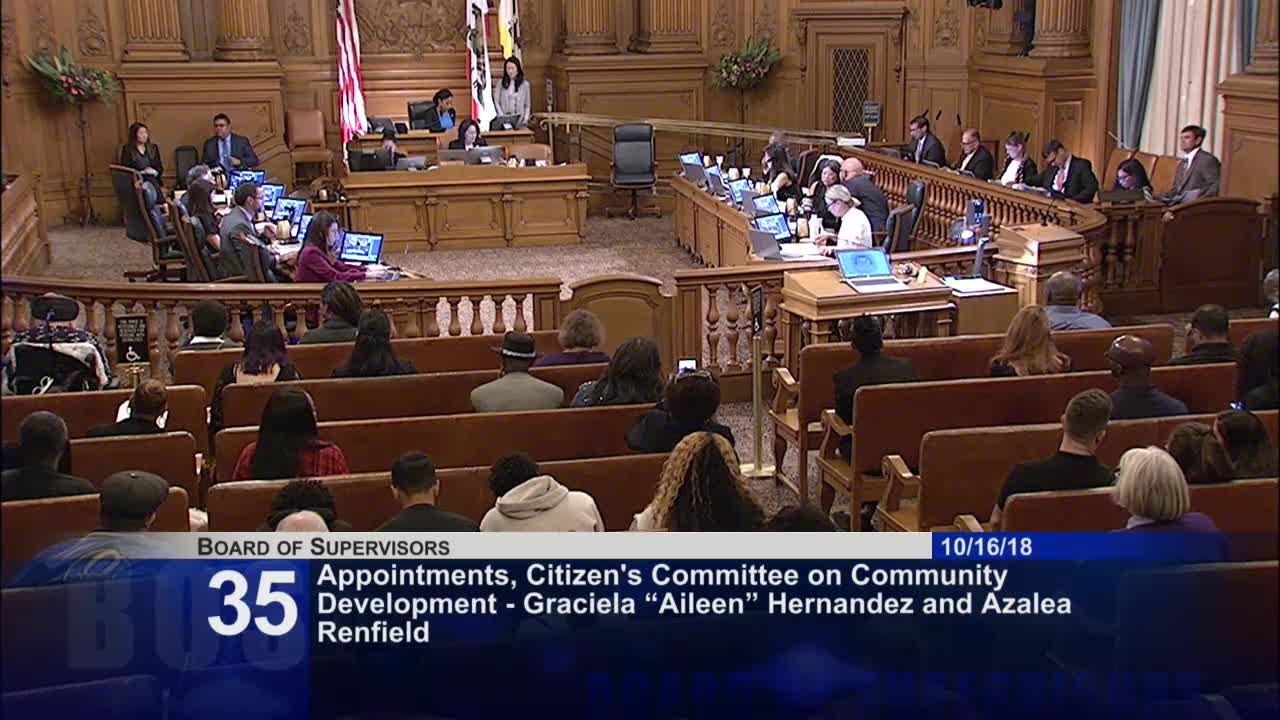
The San Francisco Board of Supervisors on Oct. 16 certified the final environmental impact report (EIR) for the India Basin mixed‑use project and then advanced the implementing ordinances and a development agreement on first reading after a lengthy, contested public hearing.
The vote to certify the EIR was 10–1 (Supervisor London Breed Cohen voted no), after repeated public testimony from Bayview Hunters Point residents, community groups and small‑business owners who raised sharply critical concerns about localized air pollution during construction, historic contamination at nearby shipyard parcels, and potential radioactive or coal‑tar hazards. Appellants and neighborhood advocates urged the board to delay certification so planning staff could return with more robust mitigations.
Opponents said the EIR acknowledged potentially significant and unavoidable air quality impacts for people living in the Bayview and that Bay Area Air Quality Management District (BAAQMD) and public‑health experts had identified the neighborhood as overburdened. Bradley Angel of Green Action for Health and Environmental Justice and several residents said that proposed mitigations remain insufficient to prevent breathing hazards for children, seniors and people with respiratory disease. Archimedes Bania, a nearby business owner, said he worried that construction dust and truck emissions would make his customers and employees sick.
Planning staff, the air district and the project sponsor offered a different view. Lisa Gibson of the Planning Department said the EIR used conservative, health‑protective assumptions and that the department and air district proposed targeted mitigations designed to reduce impacts "as much as feasible." Greg Nudd, deputy air pollution control officer for BAAQMD, told the board that with specified adjustments the district believes the EIR reduces localized pollutant impacts as far as practicable. Lou Vasquez, Build Inc.'s founder and managing partner, described on‑site sustainability measures, transportation demand management, a class‑1 bike lane and an integrated sustainability program.
After public comment and staff presentations, the board voted 10–1 to certify the EIR. President Malia Cohen then moved to adopt the EIR (motion on file as item 47); roll‑call votes were recorded with Supervisor Feuer in dissent. Later the board considered and advanced related legislative items — amendments to the General Plan and Planning Code and a development agreement (items 50–52) — and accepted amendments that added sequencing, income‑banding, and clarifications to affordable‑housing commitments. The ordinance package passed on first reading as amended.
Key points and votes - EIR certification: Motion to certify the final EIR for the India Basin mixed‑use project passed, roll call 10 ayes, 1 no (Feuer dissent recorded on the motion to adopt the EIR). The board's action makes the EIR the official environmental analysis for subsequent approvals. - Legislative package (items 50–52): The board amended and advanced on first reading ordinances to revise the Bayview Hunters Point Area Plan, create an India Basin Special Use District, and approve a development agreement with Build Inc. The amended package increases the share of on‑site rental affordability, adds AMI banding, and requires a $3 million‑plus childcare endowment and 11 acres of permanent public open space cited in the DA.
What opponents asked for and what the board did: Appellants and community groups sought recirculation of the EIR or further study focused on air quality mitigation and monitoring, including condition‑triggered construction stoppages if monitors detect fugitive contamination. The planning department and BAAQMD maintained that the EIR and proposed measures were the best achievable approach under CEQA; the board chose to certify rather than remand. The board did incorporate the air district's recommended language into the record via a Planning Department memo dated Oct. 10 and accepted a set of minor revisions to mitigation measures without triggering required recirculation under CEQA, per the city attorney's advice.
Why it matters: India Basin is a roughly 28‑acre waterfront redevelopment expected to deliver approximately 1,575 housing units, a mix of income levels including roughly 25% affordable housing on site, new public parks and transportation improvements. Supporters say it will bring a grocery and child care, create construction and permanent jobs, and build an 11‑acre permanent public park and shoreline improvements. Opponents said the location lies adjacent to historically contaminated parcels and argued the EIR underestimates localized risks during construction.
Next steps: The certified EIR and first‑reading approvals allow the project to move deeper into the entitlement and financing stage; the board's approval on first reading carries the measures forward for final consideration. Community groups and appellants indicated they will consider litigation and further appeals. The Planning Department and Build Inc. said they will implement the adopted mitigations and monitoring plans described in the EIR and supporting memos.
Selected quotes: "The alleged mitigation ... would not result the reduce the impacts to less than significant." — Bradley Angel, Green Action for Health and Environmental Justice (public comment) "With some minor adjustments to the mitigation measures proposed by city staff, we believe the EIR reduces the project's localized air pollutant impacts as much as feasible." — Greg Nudd, Bay Area Air Quality Management District "We are building housing in close proximity to jobs and businesses ... which reduces the main source of pollution in San Francisco: automobile traffic." — Lou Vasquez, Build Inc.
Ending: The board's decision to certify the EIR and advance the implementing ordinances marked a pivotal step for the India Basin project but left substantial community concern unresolved. Neighbors and advocacy groups signaled continued opposition and the possibility of legal challenges; city staff and the air district said they will continue to monitor and refine mitigation and monitoring measures as the project proceeds.