Get Full Government Meeting Transcripts, Videos, & Alerts Forever!
Get email alerts on the Emergency Medical Services topic
No spam. Unsubscribe anytime.
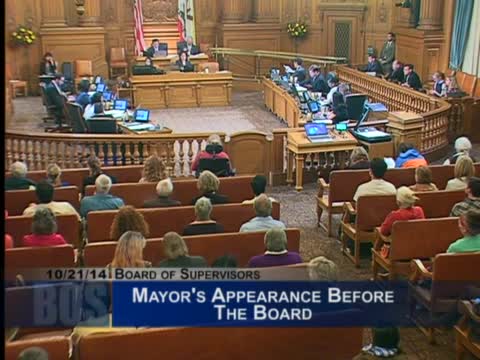
Mayor says city is working to reduce ambulance response delays as supervisors press for accountability
Summary
Supervisors questioned Mayor Edwin Lee about prolonged ambulance response times and the fire department's preparedness; the mayor outlined short-, medium- and long-term steps including hiring, private ambulance coordination and targeted outreach, but stopped short of personnel action.
Supervisor London Breed on Tuesday pressed Mayor Edwin M. Lee and city managers about a growing crisis in San Francisco’s ambulance response system, saying the Fire Department is out of compliance with its exclusive operating agreement and is failing to meet internal response-time standards.
Breed told the board the city aims to have ambulances on scene of life-threatening emergencies ("code 3") within 10 minutes 90 percent of the time, and that in July and August response times were nearly 50 percent longer; she said there were “374 occasions” in August when it took more than 20 minutes for an ambulance to arrive. She also noted the Board has approved funding for 16 new ambulances in recent years that the department has not yet put into service.
Mayor Lee responded that the city takes the problem seriously and described steps already under way: hiring 35 new emergency-management staff (16 of them net new in his budget), purchasing 19 new ambulances, implementing working-group recommendations, and calling on private ambulance fleets to dedicate resources during low staffing periods. Lee said the city would also station medical personnel at a high-volume shelter on Polk Street and reinstate a homeless outreach medical-evaluation “home team” model to reduce repeat 911 use.
Why it matters: residents who wait for emergency medical response risk worse outcomes; supervisors said the public and department employees have lost confidence in fire leadership and asked what accountability steps the mayor will take.
Discussion and staff direction: supervisors described repeated oversight hearings and hearings earlier in the year; the mayor and administration emphasized operational causes (growing demand and staffing challenges) and committed to implementing working-group recommendations. The listed near-term actions included increased hiring, ambulance purchases and coordination with private providers. The mayor disputed what he called "inaccurate" claims that 911 callers receive no care, distinguishing between initial first-responder care (often from fire medics) and later ambulance transport time.
No personnel action taken at the meeting. Supervisors said they want evidence of progress on response-time goals and clearer timelines for ambulance deployment, purchasing, and the working-group deliverables. The mayor said he will continue convening agencies and staff to implement changes.
Quotations from the record include Supervisor London Breed: “We have a crisis in our fire department's ambulance system. The department is out of compliance with the service level it is obligated to provide under its exclusive operating agreement with the state.” Mayor Edwin M. Lee: “I'm confident that we have the emergency response and public health infrastructure to do just that…We are also implementing changes that come from the working group.”
What’s next: the administration said more steps would roll out in the coming weeks; supervisors signaled they will continue oversight hearings and want the mayor and department to report measurable improvements toward the city’s code‑3 response-time goals.