Get Full Government Meeting Transcripts, Videos, & Alerts Forever!
Get email alerts on the Housing Affordability topic
No spam. Unsubscribe anytime.
Supervisors advance change to inclusionary housing threshold; small‑building exemption draws support
Summary
The Board passed the first reading of an ordinance amending the planning code to change the threshold for applying the inclusionary affordable housing program, including an exemption for some 5‑ to 9‑unit buildings. Supporters said the change was part of negotiations tied to a Housing Trust Fund charter amendment on the November 2012 ballot.
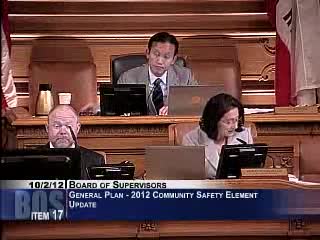
The San Francisco Board of Supervisors advanced an ordinance on first reading that amends the planning code to change the threshold for application of the city's inclusionary affordable housing program. The change discussed at the meeting would exclude some buildings in the 5‑ to 9‑unit range from contributing under the inclusionary requirement.
Why it matters: The ordinance is described by supporters as trailing legislation to the Housing Trust Fund charter amendment that the board placed on the November 2012 ballot; sponsors said the measure was intended to build broader consensus for additional affordable housing funding while offering incentives for small‑scale development.
Discussion: Supervisor David Chiu and Supervisor Kim (first reference in transcript as "Supervisor Kim") said the ordinance concluded a lengthy negotiation process. Supervisor Kim said the city had tried bond measures in prior years that failed, and that developers and small builders raised concerns about the viability of projects if 5‑ to 9‑unit buildings were required to contribute. Kim said: "I've concluded that this is, good legislation for us to support, in particular, given, our need to contribute to affordable housing funding." Kim and President Hsu made amendments to allow the board to review the ordinance's outcomes and to change the effective date.
Outcome: The ordinance was passed on first reading without recorded roll‑call tallies during the floor action at this meeting. The transcript records that the board "passed in the first reading." The effective date was amended in the motion during floor discussion to "January 15"; the meeting transcript did not specify a year in the floor exchange.
Ending: Supervisors said the amendment and review provisions will allow the board to monitor the ordinance's effect on housing production and adjust policy if necessary.