Get Full Government Meeting Transcripts, Videos, & Alerts Forever!
Get email alerts on the Infrastructure Financing Districts topic
No spam. Unsubscribe anytime.
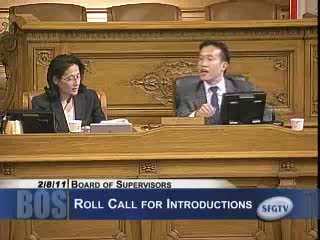
Board OKs Rincon Hill infrastructure financing district after lengthy debate
Summary
The Board of Supervisors approved citywide guidelines for infrastructure financing districts and created San Francisco's first IFD for the Rincon Hill area after a public hearing, discussion of fiscal safeguards and a unanimous landowner vote.
The San Francisco Board of Supervisors on Tuesday approved a package of resolutions and an ordinance creating an infrastructure financing district (IFD) for the Rincon Hill area and adopting citywide IFD guidelines.
Supporters said the Rincon Hill pilot will help pay for parks, streetscape work and other public infrastructure left unfunded by impact fees; critics warned that diverting property-tax increment could strain the city's general fund.
The Office of Economic and Workforce Development staff summarized the proposal as a constrained form of tax-increment financing that may be used only for publicly owned capital facilities and has a maximum lifespan of 30 years. Staff said the Rincon Hill IFD is intended to close an estimated funding gap of roughly $15 million for projects already identified in the Rincon Hill area plan and to leverage outside funds for transportation and open-space work.
Board discussion focused on fiscal protections and public participation. Supervisors and the controller's office pressed for measures to protect the general fund, including a proposed cap that IFD diversions not exceed 50 percent of cumulative increment and a requirement that the diversion not exceed the projected net fiscal surplus to the general fund once new demands from additional residents are considered. Staff and the controller also noted that IFD-backed dollars remain subject to the state's 25-cent-per-dollar shift that sends part of local property tax revenue to schools (the 'ERAF/realignment' effect), a financial difference from redevelopment agency financing.
The board also required that IFD-funded capital projects identify long-term maintenance funding before capital monies are allocated and encouraged the use of citizen advisory committees or other public-participation practices in prioritizing projects. Staff said the pilot would first allocate funds only to projects already in the Rincon Hill plan (three parks and a street-redesign program) rather than propose new projects.
The board opened a public hearing on the Rincon Hill financing package and heard a mix of comments. Supporters including the Rincon Hill Residents Association said the neighborhood already has families and children living there and needs parks and safer sidewalks; opponents warned the plan would divert funds that would otherwise be available for city services and said the structure primarily benefits developers.
Because the financing plan required a landowner vote, the clerk canvassed ballots from landowner electors. The clerk reported receipt of 11 ballots representing 14 votes and that 100 percent of those ballots were in favor. With that result and the board's approvals, the board adopted the IFD guidelines, the formation resolutions and the ordinance on first reading; the board said it would consider final adoption of the ordinance at a subsequent regular meeting.
The package before the board included: a resolution adopting citywide IFD guidelines, a resolution approving the Rincon Hill infrastructure financing plan, a resolution proposing formation of the Rincon Hill IFD, a resolution of intention to issue bonds, a resolution calling a special landowner election, a resolution declaring the election results, the ordinance creating the IFD and a resolution authorizing bond issuance. Each measure passed in sequence as required by state law, and the clerk reported successful canvass of the landowner ballots.