Get Full Government Meeting Transcripts, Videos, & Alerts Forever!
Get email alerts on the Hunters Point Shipyard Eir topic
No spam. Unsubscribe anytime.
San Francisco board upholds EIR for Hunters Point redevelopment despite appeals over cleanup, bridge and displacement
Summary
The San Francisco Board of Supervisors affirmed the planning commission’s final environmental impact report for the Candlestick Point–Hunters Point Shipyard Phase 2 redevelopment on July 13 after a day-long hearing and hours of public comment, clearing a major procedural hurdle amid lingering disputes over cleanup, a proposed transit bridge and whether the project will accelerate neighborhood displacement.
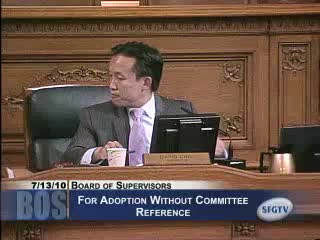
The San Francisco Board of Supervisors voted late Tuesday night to affirm the planning commission’s certification of the final environmental impact report (EIR) for the Candlestick Point–Hunters Point Shipyard Phase 2 redevelopment, rejecting appeals from environmental and community groups that urged more study of contamination, public-health risks and a proposed transit bridge across Yosemite Slough.
The 8–3 vote followed more than 12 hours of public comment and technical testimony from city staff, the U.S. Environmental Protection Agency, independent scientists and dozens of community speakers. Supporters said the project will bring jobs, parks and thousands of new homes; opponents said gaps in analysis and remaining cleanup choices — particularly on Parcel E2, a capped landfill — require postponing approval.
Why it matters: The project would remake roughly 700 acres of San Francisco’s southeastern waterfront, create thousands of construction and long-term jobs and deliver more than 3,000 below-market-rate and market-rate homes under the redevelopment plan. It is also the single biggest redevelopment effort proposed in the city in decades, and it lies atop a former naval shipyard that is a Superfund site with known contamination and legacy radiological and industrial wastes.
What the board decided: The board affirmed the EIR as adequate under the California Environmental Quality Act and sent the redevelopment plan amendments forward for additional votes and related ancillary approvals. Supervisors who supported certification said the EIR and the record show regulators and the Navy are already enforcing cleanup steps and that delaying the project would stall jobs, housing and the community benefits package negotiated for Bayview Hunters Point.
What supporters said: Labor leaders, local merchants and residents who backed the project said redevelopment has the potential to reverse decades of disinvestment. Nicknames and slogans were set aside in appearances from unions and community groups who described job-training funds, dollars set aside for first-time home buyers and replacement housing for Alice Griffith public-housing residents. Speakers representing construction trades repeatedly stressed the site is already under heavy, long-running cleanup and that thousands of union jobs depend on moving forward.
What opponents said: Environmental advocates and local residents pressed the board to delay certification until the federal Superfund (CERCLA) cleanup decisions are final. Appellants and scientists argued the EIR understates uncertainties about asbestos, naturally occurring contaminants, and the risks posed by liquefaction and rising sea levels, and they said the document did not fully analyze a bridge alternative that avoids Yosemite Slough. They also raised equity concerns, saying the proposed housing mix will not prevent displacement across the surrounding neighborhoods.
Agency and regulator testimony: Planning staff, the San Francisco Department of Public Health and the U.S. EPA presented a coordinated record describing thousands of samples and years of remediation work. An EPA official told the board: “We will not allow transfer until we are convinced it is safe for human health and the environment.” City staff and the redevelopment agency said the property transfers are scheduled in phases and that parcels already cleared by regulators include controls, monitoring and deed restrictions to limit exposure and require long-term oversight.
The disputed bridge: A central technical and political battleground was a proposed Yosemite Slough transit bridge that would connect the Bayview side to Candlestick Point. Muni and project transit planners argued the bridge provides faster, more reliable bus-rapid-transit connections to Caltrain and regional transit and would reduce travel-time variability on high-demand corridors. Environmental groups and some community members argued the bridge would permanently shade and fill small areas of restored wetland, damage a planned wetlands restoration, and that feasible on‑land routing alternatives were not fully analyzed in the EIR.
Community benefits and housing: The redevelopment plan includes a negotiated community benefits agreement that supporters say delivers workforce funding, housing subsidies, and local-hire provisions. The project’s below-market-rate housing totals were a flashpoint: supporters cite a large subsidy package and homebuyer funds set aside for local residents; critics say the funded affordable share will be insufficient to prevent neighborhood displacement given the scale of market-rate housing to be built.
Next steps: The board approved certification of the EIR and continued separate votes on proposed redevelopment plan amendments and implementing ordinances to the July 27 meeting. Staff said the redevelopment agency and the Navy must respond to written objections that were filed during the hearing; those responses are due before the board votes again. Supervisors also signaled an intent to press the redevelopment agency and developers for strengthened enforceable language on Parcel E2 cleanup standards, local hiring, and expanded health services for the Southeast sector.
Outlook: Passage clears one major legal and procedural step but does not start construction. Final land conveyances depend on separate federal cleanup decisions and on finding-of-suitability determinations by EPA/DTSC and the Navy for each parcel. Board members said they expect continuing community negotiations and additional ordinance votes; opponents signaled they would press for further legal and regulatory review.
Speakers (selected): President David Chiu; Supervisor Sophie Maxwell; Supervisor Chris Daly; Supervisor John Avalos; Supervisor David Campos; Michael Cohen, Office of the Mayor; Wilma Subra, environmental consultant; Monique Harden, Advocates for Environmental Human Rights; Mark Ripperda, U.S. Environmental Protection Agency; Stan Muraoka, San Francisco Redevelopment Agency; Amy Brownell, San Francisco Department of Public Health.
Ending: The board’s affirmation of the EIR shifts the conflict to the following two weeks, when the board will consider redevelopment plan amendments and the implementing ordinances. Both sides told the board they will continue working the issue; regulators said cleanup decisions will be handled under federal law and will govern the timing of any parcel transfers.