Get Full Government Meeting Transcripts, Videos, & Alerts Forever!
Get email alerts on the Local Hiring topic
No spam. Unsubscribe anytime.
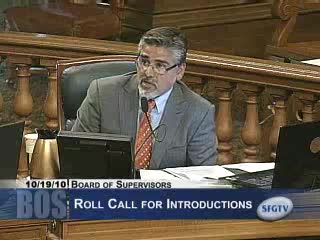
Supervisor Avalos introduces local-hiring ordinance to phase in citywide construction hiring goals
Summary
Supervisor David Avalos introduced an ordinance to establish mandatory local-hiring targets for public works construction, proposing a phased approach starting at 30% and moving toward a 50% goal. Avalos said the measure will go through committee and that he plans an informational hearing in mid-November.
Supervisor Avalos introduced legislation to create mandatory local-hiring requirements for public-construction projects in San Francisco, proposing phased targets that would move toward a 50 percent local-hire level over time.
Avalos said the ordinance departs from the city’s current First Source hiring program, under which contractors must show good-faith efforts to meet an aspirational 50 percent local-hire goal; the new measure would create a firm, phased mandate with a proposed starting floor of 30 percent as written at introduction. He said the ordinance is complex and will require negotiation with building trades, contractors, community groups and city staff, and that he expects the item to proceed under the 30-day rule and then to the Land Use Committee with an informational hearing in mid-November.
Avalos thanked funders and partners who convened stakeholders during drafting, including the Walter & Elise Haas Fund and the San Francisco Foundation, and named Office of Economic and Workforce Development staff who contributed to outreach and review. He said the capital-plan pipeline for the next decade projects roughly $25 billion in public works spending citywide, and argued that stronger local-hire rules would keep more economic benefit in San Francisco neighborhoods.
Supervisor Maxwell and Supervisor Mercarimi were listed on the floor as early supporters or asked to be consulted; Supervisor Ross Mercarimi was named during remarks as having worked with the Department of Technology and Reprographics on related substitute legislation for another measure during the meeting. Avalos said the legislation will require extensive stakeholder dialogue, noting contractors, building trades, community-based organizations and small business contractors were all involved in the drafting.
Next steps: Avalos said the ordinance will be scheduled under the 30-day rule and routed to Land Use Committee for an informational hearing in mid-November followed by formal committee hearings as needed. The board did not vote on the ordinance at the meeting; the introduction puts the measure on the Board’s docket for committee consideration.