Get Full Government Meeting Transcripts, Videos, & Alerts Forever!
Get email alerts on the Green Financing topic
No spam. Unsubscribe anytime.
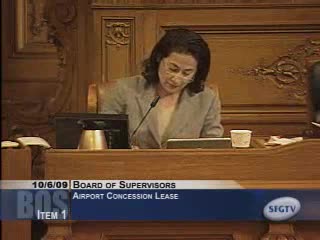
Board passes first-reading ordinance to create green financing option for water and pollution controls
Summary
The Board of Supervisors passed on first reading an ordinance to amend the administrative code to allow special tax financing for water conservation and water pollution control equipment, establishing a citywide green loan or financing program and enabling subdistricts under state Mello-Roos law.
The San Francisco Board of Supervisors on Tuesday approved on first reading an ordinance that would amend the administrative code to authorize formation of special tax districts and issue bonds to fund water conservation and water pollution-control equipment.
The measure, introduced by Supervisor Maher, would establish a citywide green loan or financing program to pay for eligible facilities and improvements through special tax funds. “This item 10 would establish a green loan program or a green financing program. It would be the first of its kind of a big city, throughout this country,” Supervisor Maher said during opening remarks, thanking city staff and community groups for their input.
Supporters said the program aims to reduce greenhouse-gas emissions from buildings and lower excessive water use by financing retrofits and equipment through a special-tax mechanism. Supervisor Marr offered a non-substantive amendment clarifying that the city may set up subdistricts or improvement areas for certain properties as allowed under the state’s Mello-Roos law; the deputy city attorney confirmed the change was not substantive. “Correct. The amendment’s not substantive,” the deputy city attorney said.
The board amended the ordinance and, without objection, passed it on the first reading as amended. Supervisors indicated additional “trailer” legislation would follow to implement program details and to specify eligible projects, loan terms and administrative mechanics.
Why it matters: The program would create a new local financing tool to help building owners pay for water and pollution-control upgrades and could be paired with other local sustainability efforts. Because it uses special-tax mechanisms and bond financing, the program’s design will involve decisions about district formation, repayment terms and which improvements qualify.
What happens next: Supervisors said they expect follow-up legislation to define implementation details and the scope of eligible projects. The first-reading passage does not authorize spending; financing terms and project lists will be developed in subsequent actions.