Get Full Government Meeting Transcripts, Videos, & Alerts Forever!
Get email alerts on the Democracy Processes topic
No spam. Unsubscribe anytime.
Panelists debate strengths and pitfalls of initiatives and referenda at City Hall forum
Summary
A Project Citizen panel at City Hall featured legal and policy experts debating whether initiatives and referenda serve as a democratic check or undermine representative government.
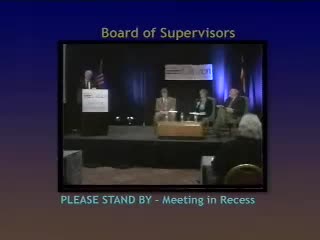
A public forum at the Board of Supervisors considered the initiative and referendum process, featuring Justice Susan M. Leeson (former Oregon Supreme Court), Dr. Carl Kurtz (National Conference of State Legislatures) and Matt Baker (Environment Colorado). The moderated panel explored whether direct democracy complements or undermines representative government and discussed reforms to improve the process.
Panelists emphasized different strengths and risks. Justice Leeson said the initiative was adopted to allow people to "take back" corrupt legislatures but warned that, today, big money and sound‑bite campaigns can dominate initiatives and that courts and the executive branch bear substantial involvement in initiative drafting and litigation. Dr. Kurtz described initiatives as a "steam valve" for public frustration but argued they lack legislative checks and balances; he advocated reforms such as an indirect initiative process that sends proposals to the legislature first. Matt Baker said initiatives can educate and engage voters and described successful uses to overcome legislative logjams — citing Colorado’s Amendment 37 on renewable energy as an example — while acknowledging the need for safeguards against constitutional clutter and partisan use.
Speakers and audience members debated single‑subject rules, the consequences of constitutionalizing many policy items, ballot fatigue, the role of money and the effect of initiatives on budgeting and taxation authority. Panelists recommended procedural fixes (earlier deadlines, legislative up‑or‑down votes, statutory protections and safe harbors) and emphasized civic education and other reforms to make initiative use more deliberative.
The forum was informational and did not lead to Board action; panelists encouraged jurisdictions designing or revising initiative processes to study multiple state models.