Get Full Government Meeting Transcripts, Videos, & Alerts Forever!
Get email alerts on the Governance topic
No spam. Unsubscribe anytime.
Board rejects proposed code of conduct for supervisors after heated debate
Summary
The Board of Supervisors voted down a motion to amend its rules to add a formal code of conduct and enforcement options, with the motion failing on a 6‑5 vote after extended debate over free speech, decorum and political advocacy.
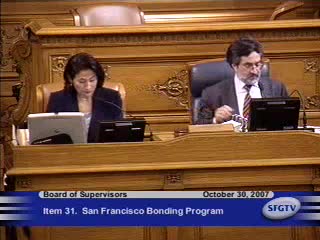
The San Francisco Board of Supervisors on Oct. 30 voted to reject a motion to amend the board’s rules of order to add a formal code of conduct. The proposed rules would have allowed supervisors to seek admonishment, sanctions or censure of a colleague for violations, while explicitly protecting First Amendment speech.
The proposal, introduced as Item 32, prompted extended statements on both sides. Proponents, including Supervisor Alioto Pier, said the code would establish respectful norms and draw on existing standards used elsewhere in city governance. Opponents, led in vigorous remarks by Supervisor Chris Daly, argued that strict decorum rules could chill the vigorous political debate that many supervisors said is essential for representing disadvantaged constituents.
Supervisor Alioto Pier framed the proposal as “policy and guidelines that reflect the values and behaviors expected of the Board of Supervisors.” The text stated that the board “shall not admonish, sanction, or censure any of its members for the exercise of his or her First Amendment rights no matter how distasteful the expression may be,” while preserving the board’s ability to “collectively condemn” speech or actions that violate the code.
Supervisor Daly, representing neighborhoods with high displacement pressures, said that for his constituents “decorum is not what they are asking for…They are pleading for justice and maybe some housing,” and urged colleagues to vote against the rule change. Daly said he opposed the measure because it risked limiting vigorous advocacy on behalf of displaced residents.
Outcome and vote
On the roll call, the motion to amend the rules failed, with the clerk recording five ayes and six nos. The president announced, “There are 5 ayes and 6 no's. The motion fails.”
Why it mattered
Supporters said the code of conduct would clarify expectations for behavior among supervisors, provide a mechanism for addressing abusive conduct, and align the board with “best practices” used in other local governments and parts of the city’s civil service. Opponents said existing rules and public accountability provide adequate checks and that the change risked curbing passionate advocacy on issues such as housing, homelessness and public safety.
Next steps
The measure failed and no referral or further committee action was recorded. Members on both sides urged continued civility and vigorous debate; some suggested future, narrower proposals to address specific behavior without broad sanctions.
Sources: Statements and roll call recorded at the Oct. 30 San Francisco Board of Supervisors meeting.