Get Full Government Meeting Transcripts, Videos, & Alerts Forever!
Board changes medical cannabis dispensary rules, approves amended ordinance on first reading
Summary
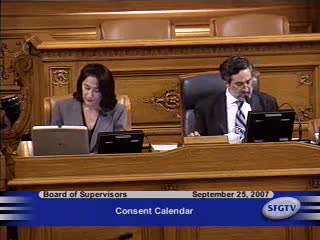
The Board of Supervisors on Sept. 25 amended and passed on first reading an ordinance to tighten rules for medical cannabis dispensaries, requiring public health background checks, new security and accessibility standards, and authorizing sale and delivery to qualified patients with physician recommendation.
The Board of Supervisors on Sept. 25 voted to amend and pass on first reading an ordinance that revises the Health Code and Planning Code provisions governing medical cannabis dispensaries.
The ordinance as described in the clerk's reading would: require the director of public health to certify that applicants for medical cannabis dispensary permits have not been convicted of certain felony offenses; require dispensaries to provide specified security measures;…
Already have an account? Log in
Subscribe to keep reading
Unlock the rest of this article — and every article on Citizen Portal.
- Unlimited articles
- AI-powered breakdowns of topics, speakers, decisions, and budgets
- Instant alerts when your location has a new meeting
- Follow topics and more locations
- 1,000 AI Insights / month, plus AI Chat