Get Full Government Meeting Transcripts, Videos, & Alerts Forever!
Get email alerts on the Health Policy topic
No spam. Unsubscribe anytime.
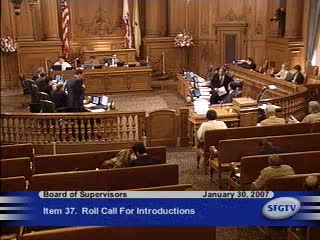
Board adopts medical‑cannabis measures and hears broad public comment urging federal hearings
Summary
Supervisors added to the adoption calendar resolutions supporting congressional hearings on medical cannabis and reinstating San Francisco's city medical cannabis identification card; the meeting included numerous patients and advocates urging federal action after recent DEA enforcement actions in California.
The Board of Supervisors on Jan. 30 adopted, on the adoption‑without‑reference calendar, a set of items that included calls for congressional hearings on medical cannabis and the reinstatement of city‑issued medical cannabis identification cards. The items drew substantial public comment from patients, caregivers and advocacy organizations.
Supervisor Chris Daly (introduced items related to medical cannabis) framed a resolution urging U.S. House leadership to open hearings and to examine federal actions that affected safe access in California. Daly said the item responded to recent Drug Enforcement Administration activity and widespread concern in patient communities.
Speakers from multiple patient‑advocacy groups addressed the board. Shona Gokener, education director of Access of Love SF, thanked supervisors for the measure and said local patient advocates would use the resolution as a model statewide. David Cohen and Michael Aldrich urged the board to press Congress to investigate DEA actions; Aldrich suggested small wording corrections to the draft to reflect proper dates and to expand geographic references beyond a single city.
Several patients described personal medical experiences and harms from federal enforcement actions; one veteran said medical marijuana was the only effective medicine for his chronic pain and urged congressional action. Faith leaders and community organizations also urged the board to push for federal hearings and to reinstate municipal identification documents for patients.
The adopted calendar recorded the resolutions (items 39 and the companion item to seek congressional hearings) as adopted along with other adoption‑without‑reference items. The transcript records the clerk reading the entire adoption calendar and then roll calls showing the calendar items approved.
Why it matters: The board’s action places San Francisco on record urging federal legislative or oversight attention to DEA enforcement in states that allow medical cannabis, and it signals municipal concern for safe access and patient protections. Local advocates said the political signal could help spur hearings and national attention.
Next steps: The measures are advisory and urge federal action; advocates said they would use the board’s resolution as a model in other jurisdictions and as support for calls for congressional hearings.