Get Full Government Meeting Transcripts, Videos, & Alerts Forever!
Get email alerts on the Commission Governance Budget Oversight topic
No spam. Unsubscribe anytime.
True Commission considers refocusing on monthly budget variance reports and evening meeting times to boost public engagement
Summary
Members discussed revising the commission's mission and agenda to prioritize monthly budget-to-actual variance reports, a concise audit follow-up summary page and possible evening meetings to increase public participation; commissioners asked staff to draft proposed changes for consideration in May and June.
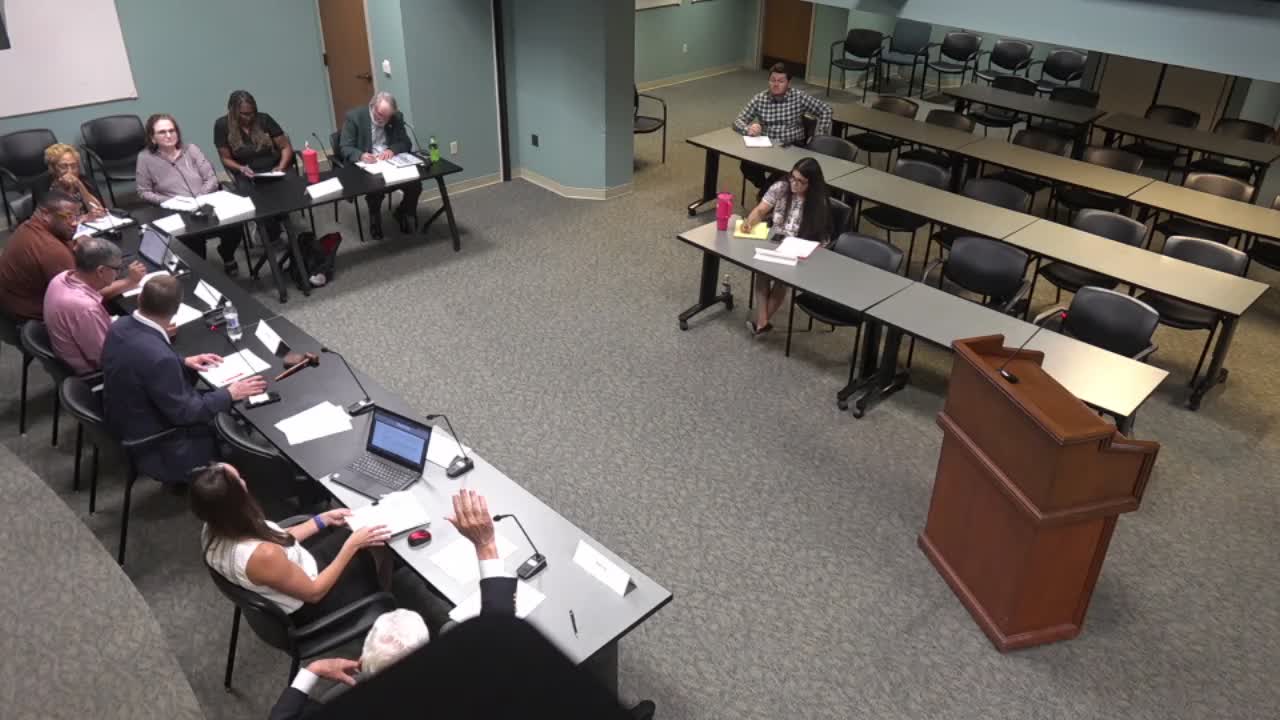
The True Commission on Thursday debated reshaping its agenda and work plan to put routine budget-to-actual oversight at the center of its work and to make meetings more accessible to the public.
Commissioners said they want a concise monthly or quarterly variance summary that shows budgeted amounts, actual spending and year-to-date variances by department. "If we were able to look at every month, say for the month of March... this might be a question for finance administration," a commissioner said during discussion of the commission's role and the timing of audit reports.
Why it matters: Commissioners said the current cadence of council-auditor reports can lag the city's financial activity by months and that a standardized variance report would give the commission timelier oversight to flag emerging spending problems.
What commissioners proposed and staff response: - Monthly/quarterly variance reports: Commissioners asked staff to produce a concise variance summary that shows month and year-to-date variances and percentages; council auditor staff said the June 30 numbers are typically available in July and the quarterly summary report is issued by Aug. 15, meaning a 30- to 45-day lag after quarter close. - Audit follow-ups and summary page: Commissioners said they value audits but asked for a short summary format showing original deficiencies, corrective actions completed and remaining issues so the commission can spot persistent gaps. - Meeting time and public access: Several commissioners supported experimenting with evening (for example, 6 p.m. to 8 p.m.) meetings to make it easier for working residents to attend; staff cautioned that evening meetings require coordination for staff coverage and cooperation from council offices. The group agreed to investigate feasibility before making a permanent change. - Next steps and timeline: The commission asked a member to review the ordinance that created the commission and to draft a proposed agenda format and summary page template. Commissioners agreed to discuss a draft in May and, if needed, at the June meeting, with implementation potentially timed to the city's fiscal year in October.
Votes at a glance: The commission approved the meeting minutes on a voice vote and later approved adjournment; neither vote recorded a roll-call tally in the transcript.
Ending: Commissioners said they would spend the summer looking at departmental actuals and variance data ahead of the mayorand budget presentations and asked staff to bring a concise proposal at the May meeting for further consideration.