Get Full Government Meeting Transcripts, Videos, & Alerts Forever!
Get email alerts on the Public Health Pool Fees topic
No spam. Unsubscribe anytime.
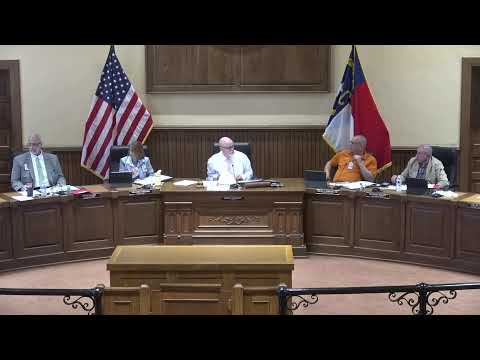
Iredell health department proposes updated commercial pool fees, citing inspections and liability; board approves by consent
Summary
The Iredell County Board of Commissioners approved updated commercial swimming-pool fees after the health department said the last fee update was in 2015 and inspections have expanded. Proposed changes include new piping and lighting inspection fees and a single flat operations fee for seasonal and year-round pools.
The Iredell County Board of Commissioners approved updates to commercial swimming-pool fees after a presentation from the Health Department highlighting increased responsibilities and inspection workload.
Brady Freeman of Environmental Health told the board that the department last updated commercial pool fees in January 2015 and now seeks new and adjusted fees to reflect inspection time and indirect costs. Proposed additions include a piping inspection tied to pool turnover and pump sizing, and a $100 lighting inspection fee for pools used after dark so inspectors can verify nighttime illumination. Freeman said the department also wants a plan-review resubmittal fee and a simplified operations-permit fee: “So we’re asking for those 2 fees of 300 for season seasonal pools and 350 for the year round pools to be a flat $400 fee for all,” he said, describing the proposed consolidation.
Freeman noted that commercial pools present significant liability risks—drowning, poor water chemistry, slip hazards and electrical risks—and that plan reviews can take multiple days when resubmittals occur. Commissioners asked how many commercial pools exist countywide; staff estimated about 140 commercial pools, including HOA and YMCA facilities. The board of health had approved the new fees the prior Thursday, and commissioners adopted the fee changes by consent.
The changes apply to commercial pools only; Freeman emphasized that the health department does not inspect residential pools. Commissioners also discussed borderline cases—such as rented homes with pools or properties in active litigation—and whether those uses would trigger commercial classification; staff said classification depends on charge/use and zoning.