Albert Lea school administrators seek expulsion after student posted fabricated shooting threat
Loading...
Summary
At an Oct. 14 expulsion hearing, Albert Lea school officials presented evidence that a ninth‑grade student, Gemma Beckman, originated and shared a fabricated Snapchat message about a school shooting. The district suspended the student and has proposed a 12‑month expulsion; the school board has not yet issued a final decision.
Albert Lea Area Schools administrators told the district school board on Oct. 14 that a ninth‑grade student, Gemma Beckman, created and shared a false Snapchat message claiming a school shooting would occur, a message that officials say spread widely and disrupted instruction.
Will Seiler, the attorney representing the district administration, told the board the administration would present evidence that “the student engaged in a willful violation of reasonable school board policy, specifically school district policy 506.” Seiler said the district would show the messages were fabricated, widely circulated and caused substantial disruption.
The student was suspended and the district delivered a notice of proposed expulsion dated Oct. 8, 2025, seeking removal from district schools for 12 months under the Minnesota Pupil Fair Dismissal Act (Minn. Stat. §§ 121A.40–121A.56). The board convened an evidentiary hearing on Oct. 14 to receive testimony and exhibits; the administration rested at the end of its case and the board had not reached a decision by the close of the hearing.
School officials described the timeline and impact. Sean Gaston, principal at the high school, said the district learned on Sept. 22 that investigators from the Freeborn County Sheriff’s Department were examining social‑media posts that hinted at a potential threat. Gaston said investigators told school leaders they believed the messages originated with Gemma and that by about 9 p.m. investigators had determined the messages were not a credible threat. Gaston said, however, that the posts had already circulated widely by that evening and that “Attendance that day, we had 815 of our 1,206 students out that day.” He estimated districtwide absence at roughly 53 percent for the day in question and said many staff and administrators were diverted from regular duties to respond to the incident.
Sata (identified in testimony as the school’s dean of students) told the board a ninth‑grade student came to his office on Sept. 23 crying after receiving the Snapchat post and that law enforcement interviewed Gemma that day. Sata confirmed the student shown the dean’s office the message and that Gemma admitted ownership of the Snapchat account and posting the message.
Gaston and other witnesses testified that investigators and school staff determined Gemma had given another student permission to share the message, and that iterations of the message — some framed as warning others “please don’t go to school tomorrow” — were shared by students, parents and community members across social platforms.
The district’s exhibits included screenshots of the messages, a suspension report dated Sept. 22–23, and the district code of conduct (policy 506). Gaston pointed to specific provisions in policy 506 that prohibit “physical or verbal threats, including but not limited to the staging or reporting of a dangerous or hazardous situation that do not exist,” and said that the administration viewed the conduct as meeting the statute’s three grounds for dismissal: willful violation of board policy, substantial disruption of others’ educational rights, and conduct that endangered the student or others.
Family members attended the hearing and questioned some timelines and communications. Roger Wessels (grandfather) asked why, if law enforcement had identified and removed a student from a bus earlier, parents and staff still stayed away from school the following day. School witnesses said law enforcement and the district sent communications that the immediate threat was contained but that subsequent iterations of the false messages and community concern led many families to keep students home in the days that followed.
At the hearing the administration introduced four exhibits, including the message screenshots and a notice of proposed expulsion dated Oct. 8, 2025. The notice informed the family of the district’s intent to pursue expulsion for 12 months and described the family’s rights to counsel, to call witnesses and to examine records. Gaston said the district provided the student access to Google Classroom and reminded her to complete schoolwork while suspended so she would receive full credit.
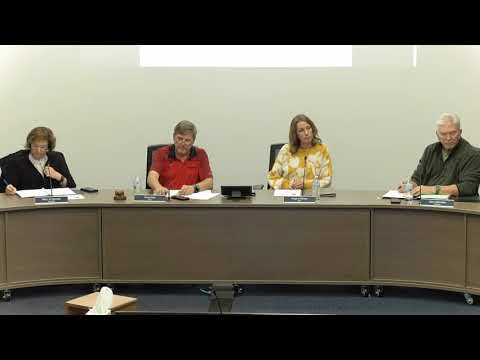
Formal board business earlier in the meeting included approval of the agenda and a motion to hold the portion of the hearing involving private educational data in open session; both motions passed 6–0. The administration rested after presenting witnesses and exhibits; the board’s deliberation and final decision on expulsion had not occurred by the close of the transcript.
The record shows the matter is being considered under the Minnesota Pupil Fair Dismissal Act and district policy 506, and that the board will decide whether to expel the student after deliberation on the evidence introduced at the hearing.