
Committee approves attendant‑care/CHOICE modernization bill to restore ombudsman oversight and improve reporting
Get AI-powered insights, summaries, and transcripts
Sign Up Free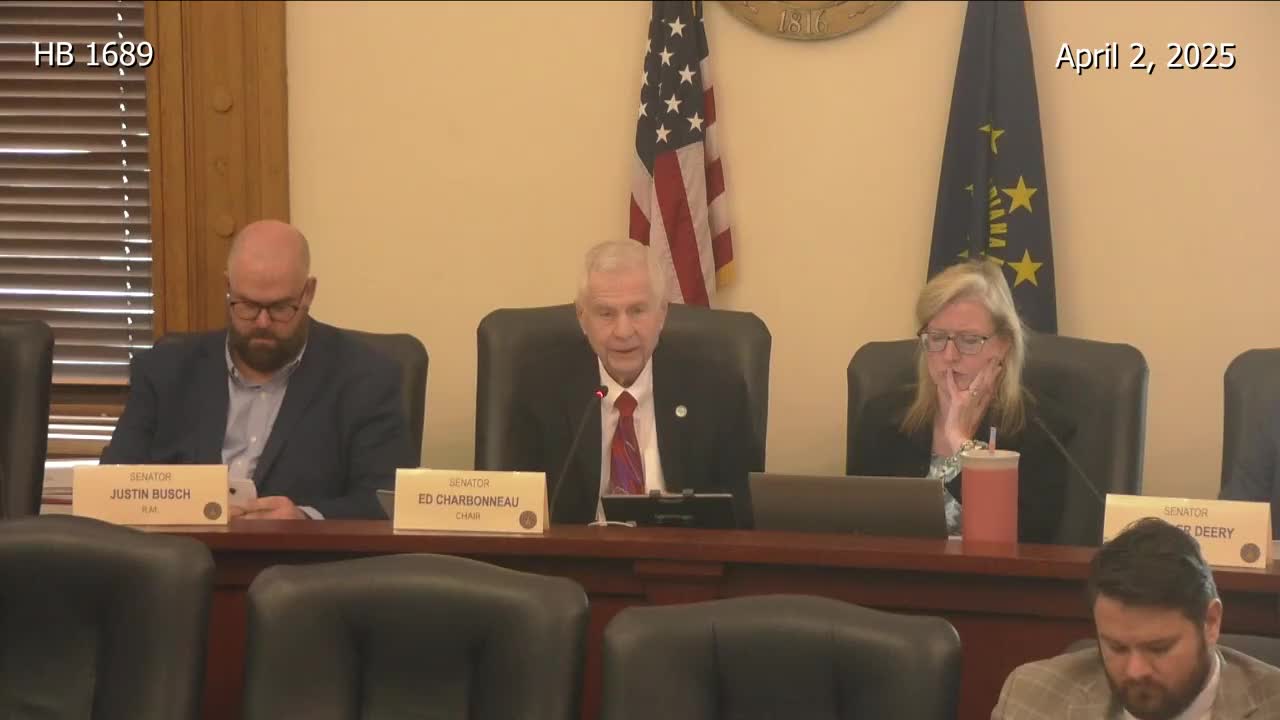
Summary
House Bill 1689 would restore ombudsman coverage for certain BDS-administered waivers, improve Medicaid HCBS reporting, and require stakeholder engagement on services for people with extraordinary care needs. Committee adopted a narrow agency-request amendment and passed the bill unanimously.
The committee advanced House Bill 1689 (as amended), a package of changes intended to address oversight, transparency and stakeholder engagement for home- and community‑based services administered through the Bureau of Developmental Services (BDS).
Main elements
- Ombudsman coverage: The bill restores statutory access to BDS ombudsman services for individuals served by the health-and-wellness and traumatic‑brain‑injury waivers that moved to BDS. Sponsors said the statutory omission when waivers were transferred left some waiver populations without independent advocacy and that HB1689 corrects that oversight.
- Enhanced Medicaid reporting: The bill increases data collection and reporting requirements on Medicaid home- and community-based services waivers — including utilization by county, age group and service type — to help policymakers identify gaps and underutilized services.
- Extraordinary care stakeholder engagement: FSSA must work with the DDRS advisory council to define "extraordinary care," design plans for individuals needing extraordinary care, and refine service pathways. Sponsors emphasized the need for a collaborative definition to guide waivers and rare-case support.
- Agency-conforming amendment: Amendment 3 was introduced at the request of FSSA to make conforming edits to ombudsman language and related sections; sponsors said the amendment was non-substantive and helped the department implement the agreed policy changes.
Stakeholder testimony
Tom Krishan of The Arc of Indiana supported the bill as a start on long‑running concerns, noting the transition last year disrupted families and oversight. Jennifer DeWitt and other parents representing Indiana Families United for Care urged study of a complex-care assistant (CCA) program — a delegated, lower‑cost caregiver model used in other states — and provided evidence that paying trained family caregivers or CCAs can reduce hospitalizations and costs in many cases. Families emphasized chronic staffing shortages in home nursing and asked for continued stakeholder engagement.
Vote and next steps
The committee accepted the department’s conforming amendment and passed HB1689 on a recorded vote (12–0). Sponsors said additional policy work would continue with DDRS advisory council involvement and that the bill is intended as a start toward more durable solutions for medically complex individuals and their families.