Lifetime Citizen Portal Access — AI Briefings, Alerts & Unlimited Follows
Utilities and vendors push managed charging and TOU rates as tools to shift load off peak; regulators want feeder‑level targeting
Loading...
Summary
Electric utilities and software vendors urged the commission to approve time‑of‑use rates and smart charge management programs as the most cost‑effective way to integrate EVs without major distribution upgrades. Vendors said managed charging reduces peak and can form virtual power plants; commissioners asked for more granular targeting to address
Vendors and several utilities said time‑of‑use (TOU) rates paired with active managed‑charging (smart charge management, SCM) are a practical approach to control when EVs draw power and to limit wholesale and distribution costs. WeaveGrid, EV Energy and other vendors described their platforms and programs in which utilities can stagger charging, use vehicle telematics to control sessions and reduce the likelihood of new distribution upgrades. BGE, Pepco and others cited an Argonne National Laboratory study filed in the docket that modelled distribution‑level avoided upgrades when smart charging is employed.
Utilities— offer: PHI (Pepco/Delmarva) and Potomac Edison described load management portfolios with TOU pilots and SCM pilots designed to expand enrollment. BGE proposed a broad Charge Anywhere offering that incorporates managed‑charging signals for customers who charge away from home. Vendors said a mix of TOU pricing and active SCM reduces system peaks and provides both generation‑ and distribution‑level value.
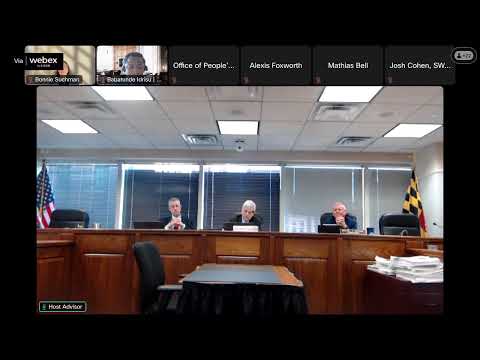
Regulatory questions: Commissioners and staff asked whether the programs can be targeted to feeders and transformers where capacity constraints are likely, rather than broadly rolled out where they might create secondary peaks. Commissioner Suchman and others urged utilities to show feeder‑level studies and to demonstrate how Charge Anywhere will avoid concentrating charging at specific nodes. Several parties noted the Connecticut and Con Edison examples as analogous programs that provide data but are still early in evaluating multifamily managed charging.
Why it matters: Managed charging is a tool to keep incremental EV load from triggering expensive and slow distribution upgrades. Approving carefully targeted TOU and SCM programs could lower long‑term system costs and reduce upward pressure on customer bills.
Next steps: The PSC asked utilities to provide clearer hosting‑capacity information and feeder analyses; staff recommended modest expansions of SCM for utilities that do not have it yet while pausing large program scale‑ups until evidence from Argonne and pilot enrollments is available.