Get Full Government Meeting Transcripts, Videos, & Alerts Forever!
Board advances first-ever San Francisco short-term rental rules after hours of amendments and debate
Summary
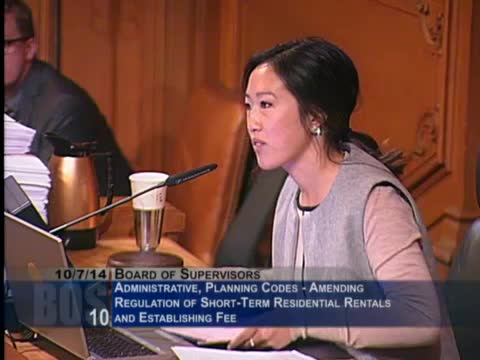
San Francisco supervisors on Tuesday advanced an ordinance to regulate short‑term residential rentals, voting on first reading to create a city registry, new reporting and enforcement duties for hosts and platforms, and limits intended to protect rent‑regulated housing.
San Francisco supervisors on Tuesday advanced an ordinance to regulate short-term residential rentals, voting on first reading to create a city registry, new reporting and enforcement duties for hosts and platforms, and limits intended to protect rent‑regulated housing.
The measure, introduced by Supervisor David Chiu, would let permanent residents host part-time while prohibiting year‑round, unhosted commercial use of housing; it also consolidates enforcement in the Planning Department, requires hosts to register and pay applicable taxes, and includes targeted exclusions for below‑market‑rate and subsidized housing.
Why it matters: Supervisors described the bill as a response to what they called an unregulated market that has “popped out of the shadows,” with potential effects on the city’s already strained housing supply and neighborhoods. Supporters said the rules balance protection of long‑term housing with limited opportunities for residents who rely on hosting income; critics and several amendments focused on enforcement, exemptions for deeply subsidized housing, and whether large hosting platforms should be required to clear past tax liabilities before the law takes effect.
What the board approved and what remains unresolved
Supervisors adopted the ordinance on first reading as amended and approved a package of non‑substantive technical changes on the floor. The adopted version keeps the core structure Chiu outlined: a registration requirement for hosts, a requirement that hosts pay applicable taxes, updated enforcement authority for the Planning Department, and targeted exclusions for some publicly restricted housing. The legislation sets a “permanent resident” threshold — living in San Francisco at least nine months per year — as the baseline for who may host under the permitted, hosted model.
Supervisor David Chiu, the item sponsor and president of the Board of Supervisors, said during the hearing: “The status quo is not working,” and described the bill as “a regulatory and enforcement structure” aimed at preventing the conversion of housing into de facto hotels. He told colleagues the package was the product of roughly two years of work with tenants, landlords, platform representatives and city departments.
Key policy provisions described during debate
- Primary residence and residency test: The ordinance defines a permanent resident as someone who lives in San Francisco at least nine months per year and ties registration eligibility to that standard. Chiu said the nine‑month test is intended to exclude year‑round commercial use and to allow short absences for students, seniors and working residents.
- Registry, reporting and enforcement: Hosts would be required to register with the city and to include a city registration number in any online advertising. The Planning Department would consolidate enforcement authority for chapter 41A cases; administrative penalties increase for repeat violations. Oakland‑style platform reporting requirements were discussed and the ordinance holds hosting platforms responsible for certain notice and consumer‑facing obligations.
- Taxes and financials: The ordinance requires hosts to pay applicable taxes and includes a provision added on…
Already have an account? Log in
Subscribe to keep reading
Unlock the rest of this article — and every article on Citizen Portal.
- Unlimited articles
- AI-powered breakdowns of topics, speakers, decisions, and budgets
- Instant alerts when your location has a new meeting
- Follow topics and more locations
- 1,000 AI Insights / month, plus AI Chat