Get Full Government Meeting Transcripts, Videos, & Alerts Forever!
Get email alerts on the Community Trust Policing topic
No spam. Unsubscribe anytime.
Arab, Afghan and Yemeni community members urge city response after police chief remarks; CAIR, residents call for outreach
Summary
Multiple public commenters, community groups and CAIR said comments by Police Chief George Gascon about possible threats from "Afghan and Yemeni" communities have created fear and called on city leaders for an apology and outreach; callers urged protections against discrimination and hate incidents.
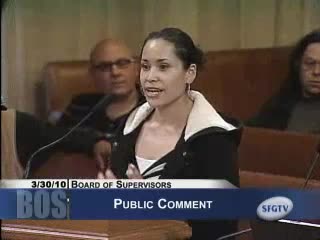
At the March 23 Board of Supervisors meeting, a series of public commenters representing Arab, Afghan, Yemeni and broader Muslim communities urged city leaders to respond after remarks attributed to San Francisco Police Chief George Gascon about potential terrorist threats from members of Afghanistan and Yemen.
Speakers said the comments — reported in media accounts earlier that week and relating to the vulnerability of the Hall of Justice to a vehicle-borne attack — stirred fear in their communities and risked encouraging harassment and hate crimes. Zahra Biloo of the Council on American-Islamic Relations (CAIR) said the remarks could normalize anti‑Muslim sentiment when voiced by a senior official. Several Yemeni and Afghan community members described personal fear and said the statements had consequences for students, business owners and elders, including threats to their safety and livelihoods.
Foad Al Awdi, a Yemeni community member, told the board he felt "afraid" and said his community had ‘‘contributed to society’’ for decades. Others said the remarks threatened trust between law enforcement and minority communities and could deter residents from reporting crimes or cooperating with police.
Speakers requested city-level steps including: a formal apology or clarification from the chief or mayor’s office; community meetings and outreach in affected neighborhoods; policing guidance to avoid profiling; and public condemnation of discriminatory statements. CAIR and local community organizations said they had begun outreach and planned further meetings with police and city officials.
Board members did not take formal action on the remarks during the meeting, but several supervisors acknowledged the public testimony and the need for dialogue. The public record shows repeated appeals from community leaders for the mayor, police leadership and the board to engage directly and to avoid language that singles out ethnic or religious groups.