Get Full Government Meeting Transcripts, Videos, & Alerts Forever!
Get email alerts on the Housing Short Term Rentals topic
No spam. Unsubscribe anytime.
Short‑term rental operator urges equal enforcement and changes to revocation rules; owners press for clearer language
Summary
A short‑term rental operator and neighborhood owners spoke at the April 15 council meeting about the pending STR ordinance amendments, supporting a provision that allows portfolio-level enforcement while urging revisions to language that would permit permit revocation based on occupants' criminal convictions.
A short‑term rental operator and owner representatives addressed the Houston City Council on April 15 about the city’s pending short‑term rental (STR) ordinance and proposed amendments.
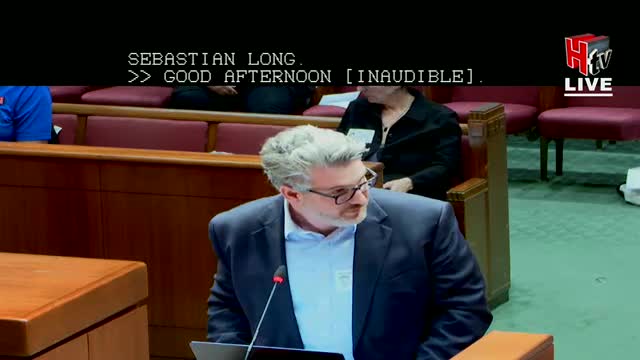
Sebastian Long, CEO of Lodger, said his company operates professionally managed furnished rentals and supports "item 44, also known as amendment 2 in principle," because it helps the city avoid pursuing problem listings individually. Long also urged several changes: apply enforcement language consistently to all operators and property types; allow the city to revoke licenses across an operator’s entire portfolio rather than only by building; remove criminal convictions of occupants as grounds for permit revocation in section 28‑7‑33(a)(8); and extend permit terms to three years. "We don't want bad actors giving us a bad name," Long said, and he asked that the ordinance not discourage operators from contacting police when guests cause trouble.
Several speakers who follow the ordinance process also asked for clearer language on grounds for revocation. Ursula Jessie, representing responsible owners who have worked with councilmembers on the draft, raised concerns about section 28‑7‑33 and about whether a single, isolated conviction by a guest could trigger a permit revocation for an owner. Council legal staff and councilmembers discussed that the listed criminal offenses were drawn from existing code provisions and that revocations in practice are discretionary and uncommon; the city would be unlikely to automatically revoke a license over an isolated incident, they said.
Speakers also supported training requirements in item 45 to help operators identify and report human trafficking and suggested limiting the definition of platforms so it does not inadvertently sweep in sites that do not handle bookings.
No ordinance vote occurred at the April 15 meeting; councilmembers and legal staff said they were still refining amendment language and would continue to receive input from owners and operators.