Get Full Government Meeting Transcripts, Videos, & Alerts Forever!
Get email alerts on the State Legislation topic
No spam. Unsubscribe anytime.
Assemblymember Diane Dixon outlines wildfire, sober‑living and e‑bike proposals during Lake Forest visit
Summary
Assemblymember Diane Dixon told the Lake Forest City Council on April 15 that her priorities in Sacramento include wildfire fuel‑management changes (AB 623), reforms to how small residential addiction and sober‑living facilities are regulated, an e‑bike safety proposal and a plan to create a state human‑trafficking data repository.
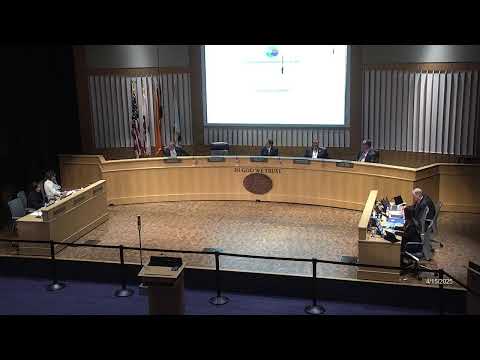
Assemblymember Diane Dixon (California Assembly) gave a legislative update to the Lake Forest City Council on April 15, summarizing several bills and policy priorities she said she is pursuing in Sacramento.
Dixon said the budget outlook is “difficult” and that she and her caucus are pressing for more funding directed to wildfire fuel‑management and prevention. She described AB 623 — cited in her remarks — as a bill to allow expedited fuel‑modification and mitigation in coastal and high‑risk areas and to limit the need for repeated California Environmental Quality Act (CEQA) and Coastal Commission permitting in emergency fire situations. "This idea came to me from Laguna Beach," Dixon said, describing delays she said communities had faced when seeking vegetation‑management permits.
Dixon also described audit findings and legislation she is advancing on addiction treatment and sober‑living homes. She said a state audit of the Department of Health Care Services found that licensed facilities with six beds or fewer often provide detoxification but not medical treatment, and that some operators appear to concentrate multiple small homes in the same neighborhoods. To address what she called “reinstitutionalization,” Dixon said she is carrying a bill to require a minimum spacing between certain facilities (she identified it as an assembly bill to impose a 300‑foot separation standard) and another measure requiring clearer insurance attestation to patients when a facility does not provide medically covered services. Dixon said those bills are meant to improve oversight and to protect patients from unexpected costs.
On e‑bikes, Dixon said two of her proposals did not advance earlier in the year but she is pursuing a compromise: setting a minimum purchasing age of 16 for certain higher‑powered (class 3) e‑bikes and encouraging accompanying education and seller verification to increase rider safety. She told the council she has heard safety concerns at town halls and noted pilot safety studies in other counties.
Dixon said she and Assembly colleagues are also pressing for a statewide human‑trafficking data repository so local law enforcement and prosecutors can aggregate cases and better track victim counts and prosecutions.
Dixon delivered an overview of the larger budget conversation in Sacramento, noting potential pressures from capital gains volatility and rising Medicaid spending. She encouraged residents to contact her office with local project ideas, and she described outreach she is doing across the district.
The council's exchange with Dixon included questions about the state's budget balance and local briefings she has held in Lake Forest.
Why it matters: Dixon framed the wildfire and sober‑living measures as attempts to remove procedural delays and increase accountability for matters that she said have direct public‑safety and neighborhood impacts. The bills she described would alter the process by which local fuel‑management and small residential treatment facilities are reviewed and permitted in California, and they are under active consideration in the Legislature.
What’s next: Dixon said some measures (including AB 623) appeared to have bipartisan support in committee and could move on a consent calendar; others will face committee hearings and stakeholder negotiations.