Get Full Government Meeting Transcripts, Videos, & Alerts Forever!
Get email alerts on the Cannabis Special Events topic
No spam. Unsubscribe anytime.
Long Beach Council directs city attorney to draft ordinance allowing regulated cannabis special events
Summary
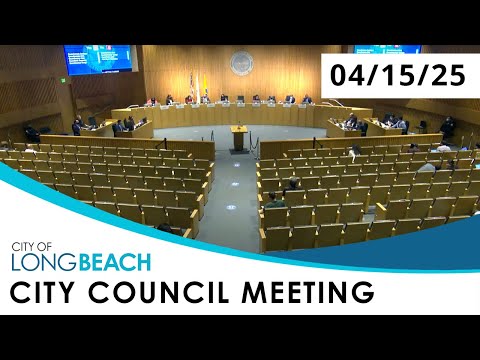
The Long Beach City Council on April 15 voted to request the city attorney draft an ordinance to allow limited, regulated cannabis special events in the city and to propose a temporary local waiver of the city's smoke rules to permit on-site consumption at those events.
The Long Beach City Council on April 15 voted to request the city attorney draft an ordinance to allow limited, regulated cannabis special events in the city and to propose a temporary local waiver of the city's smoke rules to permit on-site consumption at those events.
The proposal, presented by Councilwoman Cindy Allen, would amend Chapter 5.92 of the Long Beach Municipal Code to authorize cannabis special-event permits limited to 12 per year per individual, business entity, business owner or promoter; require an equity plan as determined by the city's Office of Cannabis Oversight and Special Events and Filming; and ask the city attorney to amend Chapter 8.68 to allow temporary public consumption during designated cannabis special events. Council members carried the motion and directed staff to return with ordinance language and implementation details.
Supporters said regulated events would create tourism and economic opportunities while centering equity. "Long Beach is a unique opportunity to join other major cities in hosting cannabis special events that are safe, regulated, and beneficial to both the local economy and our residents," Councilwoman Cindy Allen said during the item. Staff clarified that any cannabis sold at events would need to be sold by locally licensed Long Beach retailers and that the city plans to follow state regulations and the standard special-events permitting process.
Opponents, including public-health groups and neighborhood advocates, urged caution and raised concerns about secondhand smoke, youth exposure and enforcement. "There is no safe levels of exposure to secondhand smoke," Samantha Bee, Community Impact Director for the American Heart Association, told the council during public comment. John Kendrick, co-chair of the Coalition for Smokefree Long Beach, said, "There is no safe distance" for smoke exposure and urged further study.
Staff said the proposed approach draws on comparable programs in other cities, and noted several safeguards that would be used in Long Beach: use of local, licensed retailers for on-site sales; state Department of Cannabis Control (DCC) inspectors on-site during events to verify compliance; recommended use of single point-of-sale systems that track purchases per consumer to enforce purchase limits; and standard special-event security and bag checks to deter alcohol or contraband entering the event. Staff also said state law imposes a distance requirement for some cannabis activity — typically a 1,000-foot buffer from schools/day cares while children are present — and that the city would apply existing special-event processes and sensitive-use screening in site selection.
Public commenters included equity applicants and organizers who said the city must strengthen enforcement and pathways to true ownership for equity participants before expanding event opportunities. Edgar Cruz, an equity applicant, urged the council to "prioritize equity, not in just words, but in structure, enforcement, and meaningful opportunity." Other commenters urged the council to move forward, saying properly regulated events could support local retailers and bring controlled economic activity into the city.
Council members asked staff to continue community outreach, to learn from other jurisdictions' operational experience, and to return with draft ordinance language that addresses buffers, public-health mitigations, permitted vendor rules, security requirements, and equity protections. The motion carried; staff will prepare draft ordinance language and return to council for further review and final action.
Votes at the meeting were recorded as "Motion is carried" for the matter; council members asked staff to bring back detailed ordinance language and implementation proposals.
Ending: Staff will prepare a draft ordinance for council review and public engagement; the council emphasized a phased, learn-as-you-go approach and repeated requests for clear equity safeguards and public-health mitigations.