Get Full Government Meeting Transcripts, Videos, & Alerts Forever!
Get email alerts on the Teacher Pay Tia topic
No spam. Unsubscribe anytime.
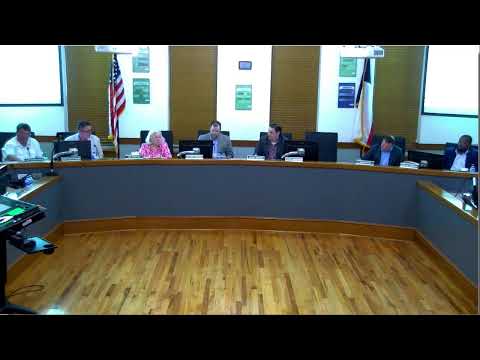
Waxahachie teachers, board debate denied TIA designations after state data validation
Summary
Teachers who earned local Teacher Incentive Allotment (TIA) designations told the Waxahachie ISD board they were denied state payouts after a data validation review that used new value‑added measures. District staff described data misalignment and outlined corrective steps; no payouts have been made.
Dozens of Waxahachie ISD teachers who were named for Teacher Incentive Allotment (TIA) designations told the Board of Trustees they will not receive the stipends they expected after the state's data validation process rejected the district's submissions.
At an open‑forum public comment period, teacher Gretchen Gray said she and other educators received high local evaluations and student growth scores but were informed shortly before spring break that an appeal to the state had been denied and no teachers would receive the allotment. "Extra hard work was supposed to equal extra pay. Wrong," Gray said.
The denial stems from Texas Education Agency (TEA) data validation that used a value‑added measure (VAM) published by the state in September for the first time, district staff and trustees said. District assessment staffer Miss Mott told trustees that Waxahachie submitted its initial TIA application in April 2023 and provided the first year of data in October. When TEA returned validation results in February, the district appealed in March and was denied.
Why it mattered: TIA payments rely on both classroom observation ratings (the district's T‑TESS/T‑TET scores) and student growth measures. Miss Mott told the board the district performed reasonably well in domain A, which examines alignment between observational scores and student growth, but scored very low in domain B because the state's VAM results did not align with the district's MAP/EOC growth measures. "The state judged our data by using the VAM score, even though no district had that published in our system when we designed it," Mott said.
District and public comments - Gretchen Gray, a Waxahachie teacher, said administrators told teachers an appeal had been filed but did not mention VAM, and that teachers learned about the VAM at a late explanatory meeting. "Not one teacher in that room knew what this data point was," she said. - Karen Jenkins, a 39‑year teacher, urged the district to "go back and look" at the submissions and to hire experts for the calculations; she said the withheld payments affected teachers' plans and morale. - Miss Mott said 31 teachers were discussed in the boardroom's questions about resubmission; she confirmed that once a year's submission is denied there is no resubmission for that submission year and teachers must be recaptured in a subsequent year for consideration.
What the district found: Mott walked trustees through the TIA scorecard and explained the district's domain scores. Domain A (alignment of T‑TESS observations and growth) produced about 20 of 30 points; domain B (which includes VAM alignment) produced roughly 2.5 of 30 points; domain C (fairness and cross‑campus calibration) was about 16 of 30 points. Two primary issues staff identified were (1) lack of correlation between state VAM and local MAP/EOC scores and (2) uneven calibration of observational ratings across campuses.
Planned changes: The district said it has already taken steps and will take more, including consulting with other Region 10 districts, pursuing a consultant used by other districts, increasing live monthly principal calibration walks, moving toward a T‑TESS summative score that includes growth, and using STAR transition tables where possible. Mott said notifications to teachers about any approved system changes will come after the state responds, likely in February or March of the next cycle.
Trustee response and context: Trustees pressed staff on why the district did not use an outside consultant earlier; staff said the local plan submitted in 2023 was approved as a system but the state's unexpected publication of VAM in September affected validation statewide. Board members expressed frustration on behalf of teachers denied thousands of dollars and emphasized that affected teachers will be eligible in the next submission cycle when the district resubmits data in October for the following year.
What is not decided: No board action or policy change was taken at the meeting. Staff said denied teachers will appear again when the district submits the next year's validated data in October. The district did not provide a final count of the total dollars withheld; trustees and public speakers described the amounts as "thousands" but an exact budgetary total was not specified at the meeting.
Ending: District staff told the board the rejection was largely driven by a statewide factor—TEA's new VAM publication—and outlined a set of technical and training steps to reduce discrepancies before the next data submission. Teachers in the audience urged the district to review the original submissions and to consider additional expertise to avoid repeat denials.