Get Full Government Meeting Transcripts, Videos, & Alerts Forever!
Get email alerts on the Student Device Policy topic
No spam. Unsubscribe anytime.
Kennett advisory group presents new cell phone and personal device guidelines; board to fold them into handbooks
Summary
An advisory group presented proposed K-12 guidelines limiting personal device use in classrooms and non-classroom settings; nearly 1,000 stakeholder responses informed the recommendations. The board discussed implementation, a planned student survey, and whether to convert guidelines into formal policy or include them in building handbooks.
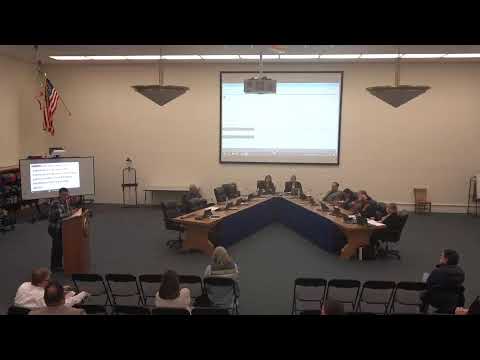
An advisory group convened by Kennett Consolidated School District presented proposed K–12 guidelines on April 14 recommending limits on student use of cell phones and other personal electronic devices during the school day, and the board signaled it will incorporate the guidance into building handbooks and consider whether to adopt a formal policy later.
The advisory group’s proposal, presented by Dan McGuire, defines a “default setting” for secondary students as devices powered off, silenced and stored per teacher direction. The group also recommended that devices generally be disallowed between arrival and dismissal at elementary and middle schools, with exceptions for students with 504 plans or individualized education programs and for “extenuating circumstances” such as last-minute cancellations of after‑school activities.
Why it matters: District leaders said the guidelines aim to reduce classroom distraction, clarify expectations for teachers and students, and create a framework that can be evaluated annually. Board members emphasized the need for consistent implementation, clear communication with families, and a k–12 digital literacy program to teach responsible use rather than only restricting devices.
The advisory group reported a broad outreach effort: the district survey for stakeholders ran Feb. 5–25 and produced about 998 responses, according to McGuire and district staff. The group plans a separate student survey at the secondary level in May–June to collect baseline student perspectives before implementation.
Monica Strauser, a member of the advisory working group, urged the board to adopt the guidelines and to commit to an annual review process. “Personal devices are a privilege, not a right,” Strauser said during public comment, adding that the group would have preferred a K–12 ban but supported the compromise guidelines.
District staff stressed that implementation details—how teachers will store confiscated devices, when administrators will be involved, and progressive-discipline steps—remain to be developed. McGuire and Dr. Barber said administrators will take the lead in defining daily procedures, consistent storage approaches, and how discipline referrals will be handled so teachers are not left managing confiscations during instruction.
Board members asked for more clarity about enforcement and student input. Several directors said they wanted uniform consequences and agreed confiscations and disciplinary follow-up should be handled by administrators, not teachers. Superintendent Dr. Rizzo Saunders told the board that the guidelines will be incorporated into building-level student handbooks; once those handbooks are approved by the board they would carry the weight of policy if the board so chooses.
The advisory group is also recommending the district develop an infused K–12 digital literacy curriculum covering social media, responsible use, and digital citizenship rather than relying solely on restrictive rules. McGuire said the guidelines are a first step and that annual review and data collection will guide future changes.
Next steps: The administration plans to finalize the secondary student survey, collect responses in May–June, incorporate the guidelines into building handbooks and the student code of conduct, and return handbooks to the board for approval. The board may choose at that time to adopt a formal district policy or leave the rules as handbook-level guidelines.