Get Full Government Meeting Transcripts, Videos, & Alerts Forever!
Get email alerts on the School Lunch Seated Time topic
No spam. Unsubscribe anytime.
Occupational therapists tell Spearfish board short lunch periods harm students' regulation and learning
Summary
Two occupational therapists from Monument Health urged the Spearfish School District 40-2 board to increase seated lunchtime, citing CDC guidance and studies linking adequate seated time to nutrition, regulation and academic performance.
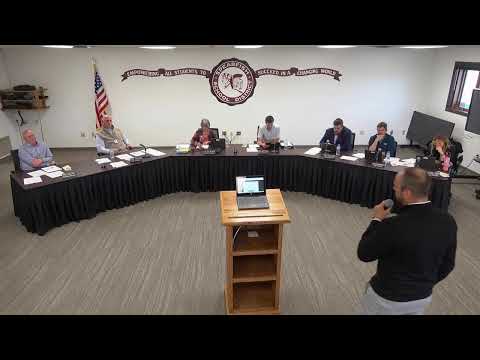
At the April 14 Spearfish School District 40-2 board meeting, occupational therapists Carrie Gillis and Amy Dragoo of Monument Health told the board that several families reported students do not have enough seated time to finish meals and to engage socially during lunch.
Gillis said eating is a complex daily routine that includes socialization and emotional regulation. "We know that eating and feeding is included in daily routines, culture, and rituals with food choices and should be done in a welcoming and accepting environment," she said.
The therapists referenced CDC guidance and told the board that, as of 2025, schools should provide at least 20 minutes of seated eating time; the seated time begins when the last student sits down. They argued more seated time can improve academic focus, emotional regulation and reduce plate waste. The therapists recommended scheduling recess before lunch, creating comfortable eating environments, allowing socialization and increasing parent volunteers or other funding to support longer lunch periods.
They suggested expanding seated time to 30 minutes where possible. The therapists provided handouts to the board and offered to meet with district staff to discuss implementation.
District response: Board members thanked the speakers and said handouts would be provided to the board. No immediate schedule change or formal vote was taken at the meeting; staff follow-up and discussion were implied.
Why it matters: Therapists said insufficient seated lunch time can affect nutrition, behavior and learning for elementary students. The issue intersects with food-service scheduling, staffing and building schedules.
Next steps: The presenters offered contact information and handouts for staff to review; no district timeline or policy change was announced at the meeting.