Get Full Government Meeting Transcripts, Videos, & Alerts Forever!
Get email alerts on the Curriculum Adoption topic
No spam. Unsubscribe anytime.
Aberdeen School Board gives first reading to K–12 language arts adoption emphasizing 'science of reading'
Summary
The Aberdeen School District board approved the first reading of a districtwide K–12 language arts adoption after staff described a multi-year plan grounded in the "science of reading," new elementary foundational programs and expanded literacy coaching.
The Aberdeen School District 06-1 Board of Education gave its first reading to a K–12 language arts adoption on April 4, approving the move to adopt new curriculum materials districtwide and endorsing a multi-year literacy plan.
District leaders told the board the adoption is designed to align classroom materials and teacher training with the research known as the "science of reading," add a full-time literacy coach role and establish a consistent K–5 reading block while also updating middle- and high-school materials.
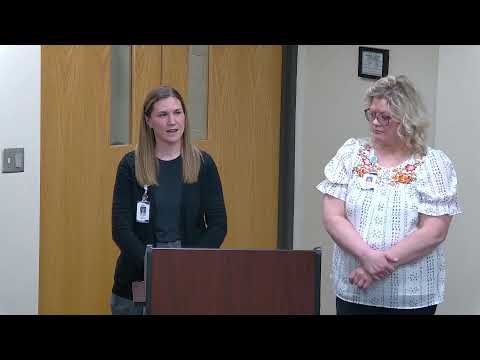
Missus Call, the district staff member leading the adoption review, said the district moved to a single K–12 adoption because of the many interconnected pieces involved in literacy instruction. “We update our curriculum documents. We always use some sort of a rubric that reflects the current changes in, teaching. And you've probably heard the term science of reading,” Call said, describing training and rubric updates used by the review committee.
The elementary adoption will use two primary materials: UFLI Foundations for kindergarten through second grade to target foundational skills (phonemic awareness and phonics) and Savvas MyView Literacy for grades three through five to cover broader language and comprehension skills, staff said. The middle-school curriculum will use a Houghton Mifflin literature product selected for its writing supports; the high school will adopt the Savvas MyPerspectives program.
Bailey Moore, introduced by staff as the district's new elementary literacy coach, outlined her role supporting teachers, identifying interventions and helping the district use assessment data to guide instruction. “Providing literacy resources based on evidence-based practices, looking at data — individual student data, classroom data — and saying how are we going to take this data and help it drive instruction and student achievement,” Moore said.
Staff described a 90-minute daily reading block at elementary schools, additional training for teachers through AIM Pathways and UFLI coursework, and pilot work that included kindergarten teachers using UFLI Foundations. Moore and other staff emphasized ongoing professional development, support for special education and English-learner students, and plans to seek literacy grant funding to help implement the multi-year adoption.
Board discussion touched on the research base for the adoption and how word recognition instruction evolves beyond early grades. “The early phonics and phonemic awareness is really — you start at letter recognition, you get into the sounds. But then when you get into third, fourth, fifth grade when students are fluent with those decoding skills, then you're working on things like morphology and you're working on Greek and Latin roots,” a staff member explained when answering board questions about continuity across grades.
The board moved and seconded the first reading of the K–12 language arts adoption; the motion carried on a voice vote. The adoption will return to the board for a subsequent reading and final approval at a future meeting, when staff will provide implementation timelines, budget requests and further detail on training and assessments.
The district also said it will continue early-literacy outreach to families (kits distributed at kindergarten signing events were cited), maintain the new literacy coaching position, promote early reading activities and encourage staff attendance at the South Dakota literacy conference scheduled for the summer.
Any final adoption vote will determine materials purchasing and the district’s spending timeline for the multi-year plan; staff said they intend to request grant support and to phase in purchases and training.