Get Full Government Meeting Transcripts, Videos, & Alerts Forever!
Get email alerts on the Solid Waste Transfer Station topic
No spam. Unsubscribe anytime.
City warns Lancaster County transfer station costs rising as growth increases tonnage and equipment wear
Summary
City and county officials discussed rising operational and equipment costs at the city-operated transfer station, current capacity and load, and the possibility of changing landfill partners or sharing more equipment costs with the county.
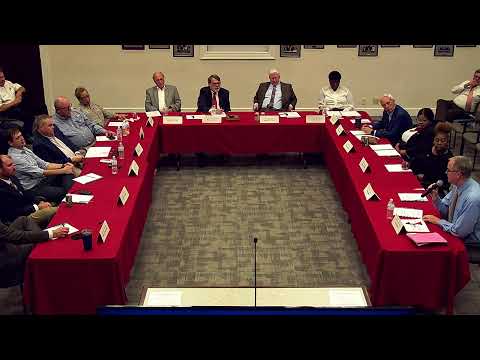
City and county officials told a joint meeting that growth in Lancaster County is increasing pressures on the city-operated transfer station, prompting questions about operational rates, equipment replacement and safety for drivers.
Matt Berry, director of sanitation and maintenance for the City of Lancaster, and city staff said the transfer station's operational costs have risen sharply since an agreement began in 2009. City figures presented to the joint meeting show operational costs for the transfer station have climbed from about $279,700 in 2009 to roughly $808,113,370 in the current fiscal year; the city noted that figure covers operation only and does not include all equipment purchase or repair costs.
The transfer station has a reported daily processed capacity of 315 tons and a current average daily load of about 61.6 tons. City staff said the 2009 agreement charged the county $29 per ton at the time; the county rate for 2025 is $45 per ton, while private haulers are charged roughly $60 per ton for municipal solid waste and $56 per ton for construction and demolition debris.
City staff described equipment lead times and rising replacement prices: walking-floor trailers that cost about $75,000 in 2018 are now estimated to cost as much as $160,000, and over-road tractors that once cost about $106,000 are now being budgeted at roughly $225,000. City officials said those rising costs are producing pressure to either share equipment replacement expenses with the county or to review which landfills the county selects, since some landfills with better-maintained gravel roads and sites levy higher tipping fees.
City and county officials also recounted safety concerns at the county landfill currently used, including muddy conditions that have trapped drivers and debris hazards that damage tires and equipment. "You can't put a cost on it," Matt Berry said of employee safety, describing instances of drivers sinking into mud and maintenance crews finding syringe needles embedded in tire sidewalls.
County staff said the existing 2009 agreement has been renewed over time and that the county and city are commissioning a solid-waste study and assessment of convenience sites to inform renegotiation. County officials emphasized the arrangement is unusual: the city operates the transfer station and takes county trash; most counties typically operate transfer facilities themselves.
Officials said any change of landfill or contract terms would require weighing tipping fees against equipment wear and the safety of drivers; county staff noted the need to sit down with city staff and private haulers to determine fair cost-sharing and operational arrangements as growth continues.