Get Full Government Meeting Transcripts, Videos, & Alerts Forever!
Get email alerts on the Curriculum And Assessment topic
No spam. Unsubscribe anytime.
District officials present curriculum review cycle and 2025 achievement report showing gains across grades
Summary
District academics staff reviewed the curriculum management plan and delivered a summary of 2025 achievement data, citing record proficiency rates in ELA, math and science and continued growth relative to peer districts.
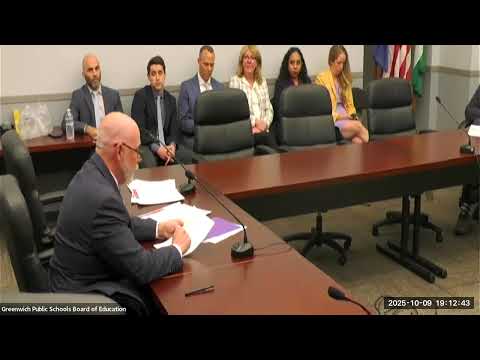
District academic leaders presented a curriculum management plan and an executive summary of the 2025 achievement report at the board retreat, saying the goal is to move from implementation toward consistent, high-quality execution by teachers.
The presenters described the management plan as a tool—"much like a pilot's dashboard"—to monitor curriculum launch and implementation. Staff said the district has focused the last several years on renovating the K'8 core curriculum and that the K'8 materials are entering a stability phase so teachers can deepen their practice rather than constantly learning new materials.
Superintendent-level staff and curriculum administrators reviewed achievement highlights the team described as "remarkable":
- ELA (SBA grades 3'8): district all-time high of 79.5% proficiency; 50% at the top proficiency level. - Early literacy (K'3 DIBELS): 88% proficiency. - Mathematics (SBA grades 3'8): record 77.6% proficiency; 66% of students completed algebra by eighth grade. - Science (NGSS grades 5, 8, 11): top results, including an 88% proficiency in grade 11 and strong state rankings. - Graduation rate: 97%. AP participation and SAT measures also rose, and the district reported growth rates that placed Greenwich among the top performers in Connecticut on several statewide growth metrics.
Presenters and principals attributed gains to coordinated curriculum adoption, expanded supports (math interventionists in elementary grades), targeted school-level interventions (priority school model) and increased instructional coherence across buildings. Staff noted growth measures (district Performance Index and state growth metrics) aim to capture how students improve from their individual starting points; the district reported high growth rankings in the state despite some strategic-plan stretch goals not yet being met.
Board members asked detailed questions about audits of curricular materials (math and ELA), how internal audits and teacher feedback inform renewal decisions, and whether recent reading-material revisions address prior criticisms. Curriculum leaders said internal audits and multi-year evidence of student growth underpinned decisions to keep current instructional materials in place while continuing targeted reviews at the high-school level. Staff said additional audit cycles and assessments (including interim/local adaptive measures) will continue to guide renewal or adoption choices.
District leaders closed by thanking teachers and principals; principals from multiple elementary and secondary schools gave brief reports tying local classroom strategies—such as building-thinking classrooms, math labs, targeted small-group instruction and practice-testing—to the statewide assessment results.