Get Full Government Meeting Transcripts, Videos, & Alerts Forever!
Get email alerts on the Minimum Compensation Ordinance topic
No spam. Unsubscribe anytime.
Board approves minimum compensation increases for home‑care and nonprofit workers
Summary
On Oct. 23 the San Francisco Board of Supervisors approved amendments to the Minimum Compensation Ordinance to raise pay for in‑home supportive services (IHSS) and certain nonprofit contract workers, with phased increases, CPI adjustments, and a working group to study implementation and funding.
SAN FRANCISCO — The San Francisco Board of Supervisors on Oct. 23 approved amendments to the city's Minimum Compensation Ordinance (MCO) to raise hourly pay for in‑home supportive services (IHSS) workers and employees of nonprofit contractors that hold city contracts.
The measure, approved as amended without objection, phases in wage increases for nonprofit contract workers to $16.50 an hour on July 1, 2019 (with CPI increases thereafter) and raises IHSS pay in steps that will bring IHSS workers to about $18.75 an hour by July 1, 2022. The board also directed creation of a controller‑led working group to advise on nonprofit impacts and implementation, and included language making future increases contingent on appropriation.
Why it matters: Supervisors and labor representatives said the raise targets roughly 20,000 long‑term care and safety‑net workers who provide direct care to elders, people with disabilities and other vulnerable residents. Supporters said higher pay will improve retention and quality of care; some nonprofit representatives warned of funding and sustainability risks and urged a funding commitment from the city.
Supervisor Feuer, a lead sponsor, framed the amendment as a negotiated compromise with the mayor's office and labor: "I am happy to announce that Supervisor Ronan and I, with our labor partners, have come to an agreement with the mayor in support of a raise for our lowest paid workers." Supervisor Ronan said she "could not be happier," calling the change a long‑sought step for thousands of workers who have waited for wage relief.
The controller's office and the budget analysts presented cost estimates during the committee of the whole hearing. According to the controller's October 15 memorandum, raising nonprofit contract workers from $15.50 to $16.00 on July 1, 2019 would increase costs to affected nonprofit contracts by an estimated $500,000 in fiscal year 2019–20; if nonprofits raise higher‑paid staff to maintain wage differentials, the cost could be at least $3.5 million. The controller's memo also estimated the city's IHSS maintenance‑of‑effort payment would rise by about $12.4 million in fiscal year 2018–19 and by roughly $26.0 million in 2019–20 under the proposed IHSS schedule.
The approved amendment sets this phase‑in for nonprofit contract workers: a $1.00 increase on Feb. 1, 2019; $0.50 on July 1, 2019; $1.00 on July 1, 2020; $0.50 on July 1, 2021; and $0.75 on July 1, 2022. CPI indexing begins July 1, 2023. IHSS wage steps were negotiated to reach $18.75 by July 1, 2022. The ordinance also includes a fiscal‑condition clause specifying that the increases take effect only if the city appropriates funds and the controller certifies sufficiency; if partial funding is certified, the increases would be applied proportionally.
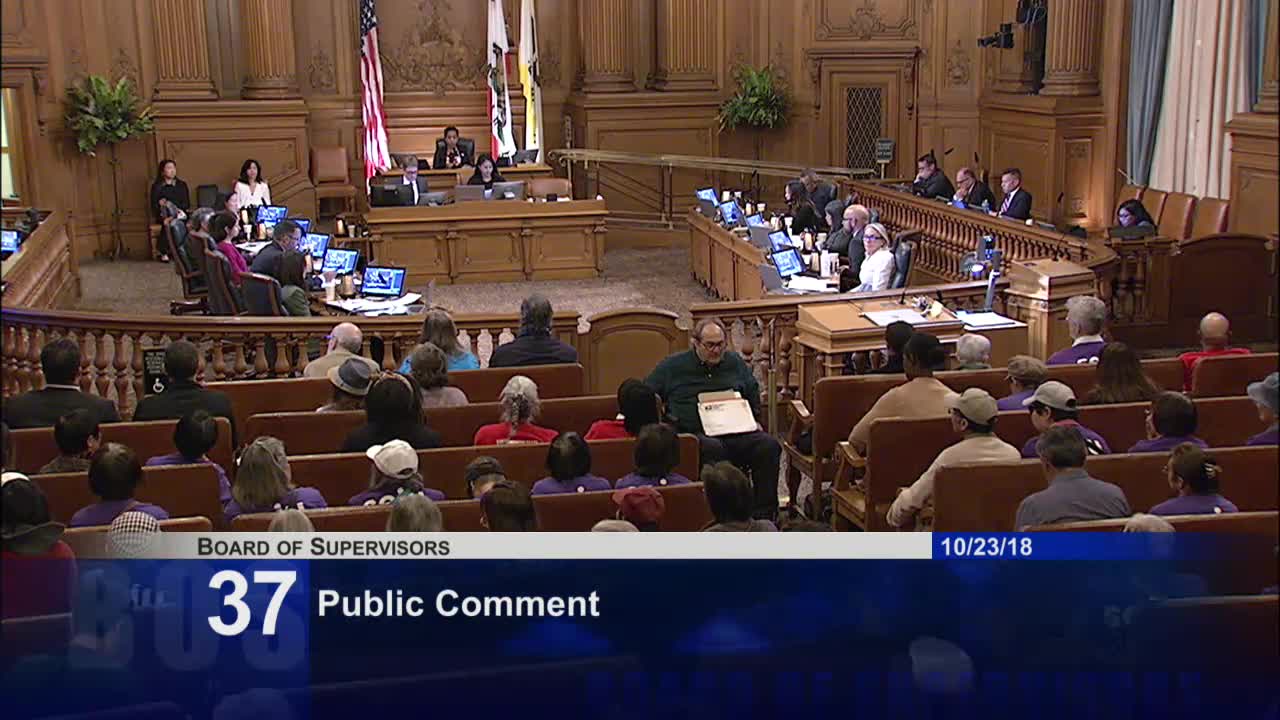
Labor leaders and dozens of workers and service‑provider organizations spoke in favor during public comment. Arnulfo de la Cruz of SEIU Local 2015 said the vote "takes an enormous step to ensuring that caregivers in San Francisco are able to live with dignity and respect." Joseph Bryant, regional vice president for SEIU Local 1021, thanked the board and the mayor for negotiating a settlement "and giving workers a chance, giving workers hope." Multiple speakers who provide direct care described holding multiple jobs or relying on public benefits while caring for clients.
Several nonprofit sector representatives urged the board to commit to full funding and asked for a working group composition that includes nonprofit executive representation. Debbie Lerman, speaking for the San Francisco Human Services Network, said: "This will not be a win until it is funded. We must ask the board and the mayor for your commitment today to full funding of the true costs associated with this legislation." The approved language creates a controller‑convened working group, and the ordinance authors said the controller had agreed to convene the group.
The board acted at the end of a multi‑year campaign that cross‑cut labor and city leaders. Supervisors thanked the mayor's office and labor negotiators for their role in reaching the compromise. Sponsors said the measure does not guarantee a livable wage but provides a multi‑year improvement that they plan to build on.
Formally, Supervisor Feuer made the motion to accept the negotiated amendments; Supervisor Ronan seconded. The board accepted the amendments "without objection" and then approved the ordinance (item 32) as amended; item 31 (the hearing record) was filed as heard.
Next steps: The ordinance sets specific effective dates for the phased increases; further implementation will depend on the controller's certification and appropriations in the city budget process. The controller will convene the nonprofit working group to advise on funding and operational impacts.
(For provenance, the board opened the committee‑of‑the‑whole hearing on items 31–32 on Oct. 23 and completed action on Oct. 23, 2018.)