Get Full Government Meeting Transcripts, Videos, & Alerts Forever!
Get email alerts on the Budget topic
No spam. Unsubscribe anytime.
Fox Chapel officials present preliminary 2025-26 budget showing a $1.6 million recurring shortfall without revenue changes
Summary
District finance staff presented a preliminary 2025-26 budget that holds revenues near 2024-25 levels but shows recurring pressures driven by lower property assessments and a higher student-transportation contract; presenters recommended the board consider a tax increase at the proposed-final stage in May.
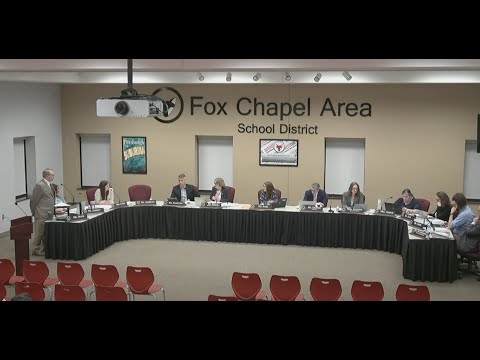
At a Committee of the Whole meeting, Fox Chapel Area School District administrators presented a preliminary 2025-26 budget that projects $118.77 million in revenues against $121.50 million in expenditures (excluding a $1.5 million budgetary reserve), leaving a year-one imbalance that administration figures as a $1.6 million gap after planned one-time fund balance uses.
The budget matters because two largely uncontrollable pressures — a year-over-year decline in property-assessment values and a roughly $1 million increase in student-transportation costs tied to a newly bid contract — are recurring and reduce the district’s ability to balance future years without raising recurring revenue or cutting recurring programs.
District staff told the board that estimated actual revenues for 2024-25 are projected at $118.81 million, roughly 1.23% above the original 2024-25 budget, and that projected expenditures for 2024-25 are about $118.38 million, producing a small positive ending balance now being allocated into fund balance for use in 2025-26 planning. For 2025-26, major changes from the current year include:
- Real estate tax revenue: administration reported a 0.65% decline in certified assessed values compared with May 2024, reducing real estate revenue by roughly $443,000 versus prior projections. That represents the first year-over-year drop in assessment values the district has seen since 2015–16. The district said appeals and the changing common level ratio are drivers. - Transportation: a new contract for student transportation raised mandated transportation costs by about $1 million for 2025-26 (a roughly 20% increase over the current year), a recurring expenditure. - Personnel and benefits: the personnel total rose by about $1.7 million; salary growth in the draft budget is under 1% (reflecting board direction to slow wage growth) while benefits increased about 3.8% (roughly $1.2 million), driven in part by pension (PCERS) employer contribution changes and health-insurance premium increases (medical premiums shown at a 5.7% increase for 2025-26). - Federal funding: the district is returning to pre‑ESSER federal-revenue levels after the end of ESSER spending; staff budgeted conservatively for Title and IDEA allocations that will not be known until later in the spring.
Because roughly $1.5 million of the draft imbalance is recurring (transportation plus assessment-driven revenue loss), administration told the board that those items cannot be covered with one-time fund balance indefinitely. The presenter recommended the board anticipate a tax increase when the proposed-final budget is presented in May. Administration gave an illustrative figure: the $1.6 million gap would equate to about a 2.25% millage increase; a separate community request for 0.1 mill (from Cooper Siegel Community Library) would be about $370,000 annually and would raise the pressure on needed millage further if the board chose to fund it from the district levy.
Board members asked for further detail on the timeline for curriculum pilots and federal allocations, for comparisons of local tax burden measures, and for contingency plans if state or federal revenue streams fall. Administrators said they are preparing scenarios to show programmatic adjustments (including delaying capital projects, holding positions vacant, or using limited fund balance) and will return to the board with revised figures before the May proposed-final budget.
The board did not vote on a final millage or on the 2025-26 budget at this meeting; administration said it will return with updated May certified values, state subsidy figures, and other updated collections so the board can set a proposed millage rate at the next public meeting.
Looking ahead, the board will consider a proposed-final budget in May that will include any updated state allocations, May-certified assessed values and more precise federal allocations. Administrators flagged that multi‑year capital needs exceed $30 million across planned phases and that work to prioritize projects and potential funding strategies (including bonding options and multi-year scheduling) is ongoing.
Ending: The board left the draft budget open for further review; administration will present revised numbers and scenarios at the May proposed-final stage, and any recommended millage change would be voted as part of the formal budget calendar.