Get Full Government Meeting Transcripts, Videos, & Alerts Forever!
Get email alerts on the Utilities topic
No spam. Unsubscribe anytime.
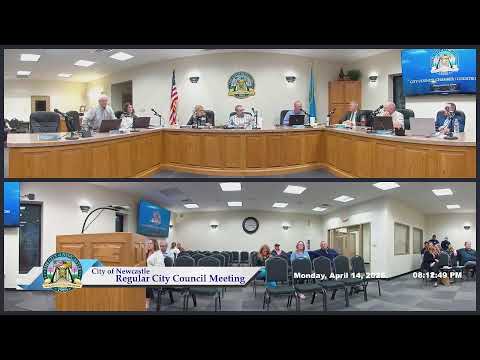
Newcastle council cuts hydrant-meter penalty, exempts agricultural users and waives certain ag fines
Summary
The Newcastle City Council voted to revise the hydrant-meter rental agreement on April 14, removing a $500 flat penalty and replacing it with a fee of $25 or 10% of the water-usage charge, whichever is greater; agricultural meter users will be exempt and outstanding unpaid ag penalties will be waived.
The Newcastle City Council voted to revise the hydrant-meter rental agreement on April 14, removing a $500 noncompliance penalty and replacing it with a new charge of $25 or 10% of the water-usage bill, whichever is greater. The council added an exception for agricultural users and agreed to waive outstanding agricultural penalties that are still unpaid. The existing $1,500 deposit for hydrant meters remains unchanged.
Council members and staff said the penalty was originally intended to deter contractors from failing to return hydrant meters and to cover costs when meters were lost or taken. Staff told the council that modern meters now have GPS locators and that the city increased deposits to roughly cover the cost of a meter, reducing the need for a high flat penalty.
City staff described how the penalty affected some customers who missed returning meters by a day or two under a mistaken assumption that the temporary meters would read remotely like residential meters. Citizens and meter users including Orvis McMahon testified at the meeting that they sometimes use hydrant meters intermittently for crop spraying or construction and that the $500 charge could be punitive in cases of brief or accidental noncompliance.
In response to those concerns, the council voted to replace the $500 flat fee with a lower, usage‑linked charge and to exempt agricultural users from the charge. The exemption was made retroactive only for outstanding agricultural penalties that remain unpaid; penalties already paid were not to be refunded. Council also directed staff to keep the $1,500 deposit in place to cover meter replacement costs.
The council said staff can administer the new fee structure and calculate charges in the billing system. Several council members urged clearer public communications about meter return procedures and suggested allowing photos or other proof in limited cases where physically returning a meter is difficult.
The motion passed on a council vote.
The change applies to future hydrant-meter rentals and to unpaid agricultural penalties that were assessed under the previous policy. Staff said they will update the hydrant-meter rental form and the billing process to reflect the new fee structure.