Get Full Government Meeting Transcripts, Videos, & Alerts Forever!
Get email alerts on the Education Program Cuts topic
No spam. Unsubscribe anytime.
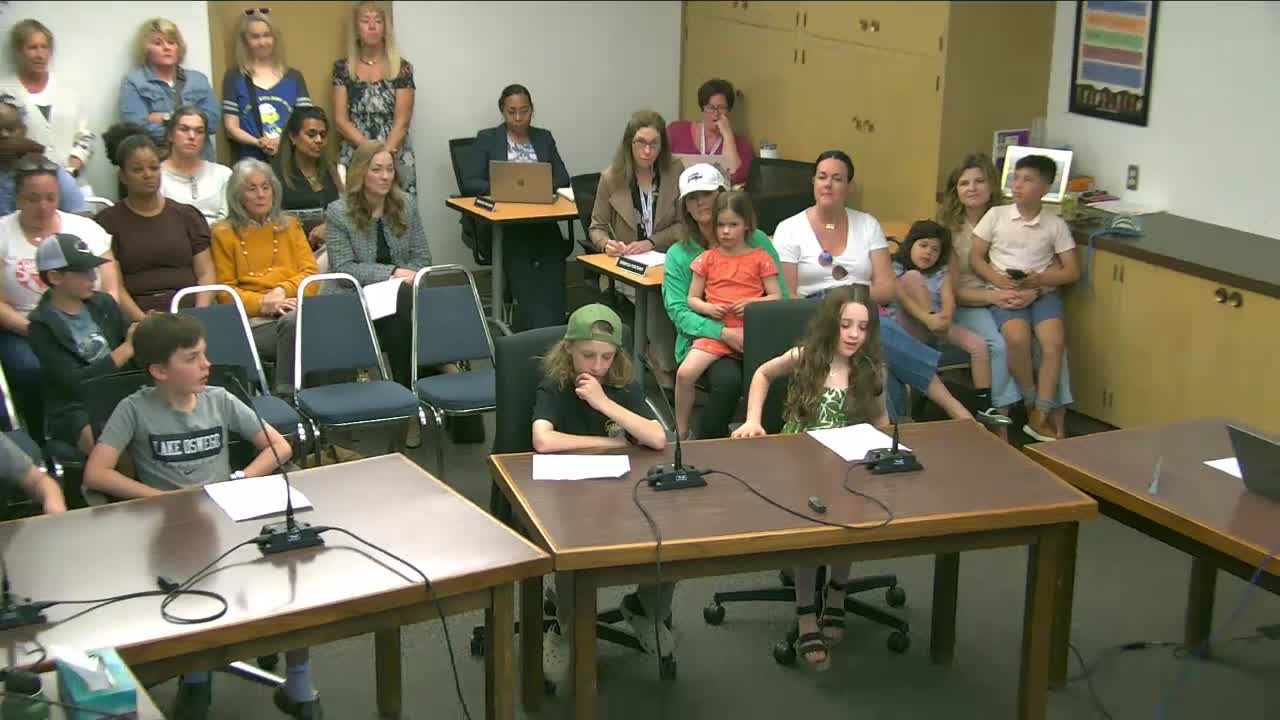
Parents, teachers and students press Lake Oswego board to preserve elementary PE and halt staff reductions
Summary
Multiple students, parents and teachers testified against proposed reductions in elementary physical education and district staff cuts, arguing PE supports academic focus, social-emotional learning and equity; speakers urged data-driven decision making and alternatives to the proposed reductions.
Dozens of public commenters at the April 14 Lake Oswego School District board meeting urged the district to preserve elementary physical education (PE) time and to reconsider proposed staffing reductions.
Students from Forest Hills Elementary told the board in individual three‑minute statements that PE is their favorite subject and that it helps them regulate energy and focus for classroom learning. Kyle Lavea Lopez said, “I love PE because it teaches me how to work together with other kids,” and other students described PE as the day they most want to attend school.
Several parents and educators followed. Dawn Young, an elementary teacher, said the proposed cuts underestimate the skill and specialized instruction that certified PE teachers provide. “PE is not sports. It's not recess,” Young testified. She asked the board to “use data” and to “slow down and do what's best for kids.” Lauren Lopez, a parent and former educator who said she circulated a petition, told the board the state sets a floor of 150 minutes per week for elementary PE and that structured PE delivers social‑emotional benefits that recess and classroom movement breaks do not reliably provide. She said a petition she began had grown substantially by the night of the meeting.
Speakers also raised concerns about reductions in force (RIF) that affect classroom teachers and specialists. Leah Hobart, a parent, asked the board to retain a third‑grade teacher affected by staff reductions and said parents had collected testimonials and a petition of support for that teacher. Alina (district employee) warned that budget cuts could further reduce the number of African American staff at the elementary level and said the prospect of losing visible staff of color would harm students’ sense of belonging.
Superintendent Shealy, speaking later in the meeting during the superintendent update, said the district faces roughly $10 million in required cuts and that choices attempting to protect elementary class size resulted in spreading reductions across specialists and “specials” such as PE. Shealy said that if PE positions were preserved, elementary class sizes would increase in ways that the district believes would be difficult to sustain; she also noted the district is watching proposed state funding changes (special education cap adjustments and high‑cost disability increases) that could change the final budget this summer.
No formal vote on program reductions occurred at the April 14 meeting; the board accepted public comment and discussed next steps during the superintendent’s update.