Get Full Government Meeting Transcripts, Videos, & Alerts Forever!
Get email alerts on the Code Enforcement topic
No spam. Unsubscribe anytime.
Syracuse officials seek $500,000 for third‑party plan review, highlight code‑enforcement gains and building enforcement actions
Summary
At a Syracuse City budget hearing, code enforcement leaders described recent enforcement wins, a push to speed permitting with $500,000 for third‑party plan review, two proposed inspector hires and efforts to increase rental‑registry compliance.
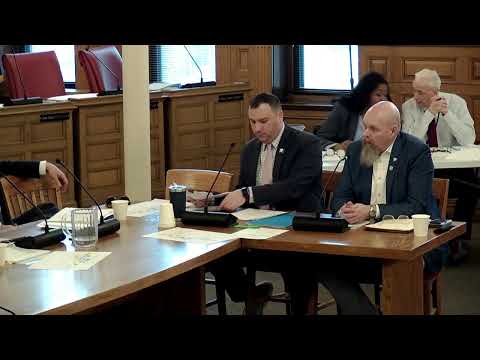
Syracuse City leaders on Monday outlined a proposed budget increase for the Division of Code Enforcement that includes a $500,000 request to pay for third‑party plan review, two new inspector positions and funding for temporary summer workers to address vacant‑lot mowing and similar tasks. The presentation to the Syracuse City Common Council also reviewed enforcement activity this year, including the closure of more than 40 nuisance commercial properties and ongoing court action aimed at several large apartment owners.
The request came during a budget hearing in which Deputy Commissioner Jake Dishaw, who oversees code enforcement and zoning administration, described permitting and enforcement highlights and answered councilors’ questions. “We set our goal at 8 weeks,” Dishaw said of the target review time for new commercial building plan reviews. He also said staff had “helped to close over 40 illegal nuisance properties” across the city.
The proposal would fund a professional services line item—about $500,000—to expand use of private firms to conduct plan reviews so the city can issue permits faster while keeping in‑house capacity focused on other reviews. Dishaw and other officials said retirements and nationwide shortages of senior plan reviewers have reduced in‑house capacity and that contracting with outside firms will create “multiple lanes” for reviews, including an option for developers to pay to expedite projects.
Why this matters: officials tied the funding request to economic activity and neighborhood quality. Dishaw said faster plan review helps get construction started sooner, and another presenter warned that without the funding permit timelines could lengthen and slow local development. Councilors and staff also emphasized code enforcement’s role in neighborhood quality—through property maintenance work, targeted cleanups using CPTED (crime prevention through environmental design) and by pursuing legal action where owners do not fix violations.
Officials described other pieces of the code enforcement budget and operations. The department reported about 79 total employees when third‑party contractors are counted and said 52 of those are city civil‑service (non‑SERRA) positions included on the division’s budget page. Staff said rental‑registry compliance is improving and estimated a roughly 50% compliance rate; the registration fee is $150 and the certificate lasts three years. Dishaw said rental‑registry enforcement drives interior and exterior inspections when necessary and that the city is preparing to roll unpaid fines onto property tax bills after state approval, which officials expect will raise compliance.
The department highlighted several operational improvements. Syracuse’s “Look Before You Rent” searchable online tool, built by the city’s data and API teams, lets prospective tenants check whether a unit has open code violations. Dishaw said the city set an all‑time record for permit construction valuation last year and has moved from paper to fully digital plan submission. Inspectors are now issued smartphones and tablets, though staff said the on‑premises code‑tracking software (referred to in the hearing as IPS) can be slow in the field and needs replacement or upgrades.
Councilors pressed for detail on staffing and costs. A council member noted a roughly 35% year‑over‑year increase in the department’s budgeted amount and asked what value the increase produces for taxpayers; staff said much of the increase is professional services to maintain permitting speed, plus temporary summer mowing positions to address vacant‑lot overgrowth and a larger effort to recover costs where possible by billing property owners. Officials said many enforcement employees are civil‑service union positions and that the plan‑review gap is primarily at senior technical levels that have been difficult to recruit and retain.
Housing enforcement and large multiunit buildings were a major focus. Officials described active court cases against an out‑of‑state owner of the Skyline building (identified in the hearing as roughly 350 units) and said they have asked courts to appoint a receiver to repair and reoccupy the property. The administration said it is also monitoring other large properties (Parkside, Nob Hill, Vincent, Ballantyne) and using an internal high‑occupancy monitoring approach that cross‑references police, fire and code data to identify the buildings that create the largest calls on city services.
Councilors and staff discussed enforcement tools and limits: the city can cite and fine landlords, seek court orders and ask for receivership or similar court remedies, but eminent domain and large civil remedies carry significant cost and legal complexity. Officials said the law department has taken more aggressive action in recent years and has won several cases, while acknowledging that court outcomes and receivership processes can take time and are not guaranteed to immediately resolve building conditions.
Officials closed by asking councilors for the requested funds to maintain permitting speed and enforcement momentum. No formal council vote occurred at the hearing; the budget requests will move through the usual budget review and adoption process.
Ending: Staff said they will return with more granular staffing charts and revenue‑impact analyses requested by councilors, including a breakdown of third‑party plan‑review activity, the number of projects handled externally and the economic value of projects expedited.