Get Full Government Meeting Transcripts, Videos, & Alerts Forever!
Get email alerts on the State Zoning Legislation topic
No spam. Unsubscribe anytime.
Village of Clemmons adopts resolution opposing state bills that would limit local zoning authority
Summary
The Village of Clemmons council unanimously adopted Resolution 2025-R-2 opposing recently introduced North Carolina bills that, according to the village attorney and council members, would curtail local planning powers and potentially expose local officials to liability.
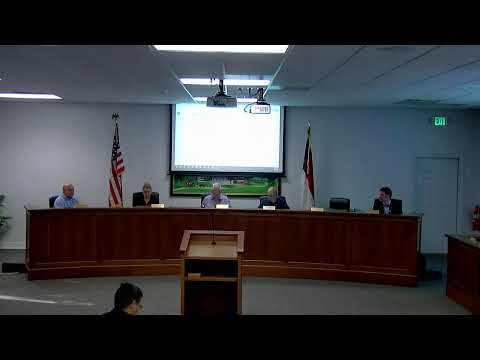
The Village of Clemmons council unanimously adopted a resolution on April 14 opposing recent North Carolina General Assembly bills that council members and the village attorney said would reduce local authority over planning and zoning.
The resolution, numbered 2025-R-2 and approved unanimously, singles out Senate Bill 688 and House Bill 765 among multiple measures the village says would limit municipal control over land use and development decisions. Attorney Brent Bischoff told the council the bills would, if adopted, mandate minimum residential densities in many zoning districts, constrain parking requirements and could increase the risk that local officials and board members face legal liability for decisions made in good faith.
The matter drew a public comment earlier in the meeting from Matt Sinn of 631 Firetruck Road, who warned that several bills under consideration would change local zoning processes and limit public participation by emphasizing expert witnesses that developers can afford. "They want to limit the number of public speakers on behalf of the citizens and use mainly experts," Sinn said, arguing that would reduce residents' voice in local hearings.
Bischoff and several council members described the package of bills as expansive and potentially harmful to the village's ability to plan. Bischoff recommended the council accept the resolution and convene a special meeting focused solely on this subject so the village could craft strategy and outreach. The council agreed to schedule a follow-up meeting and to authorize the mayor to represent the village in outreach to other municipalities, as permitted by an ordinance adopted earlier this year.
Mayor Rogers moved the resolution; the motion was seconded and carried unanimously. Council members said they expect to coordinate with neighboring municipalities and the North Carolina League of Municipalities to press for changes or to oppose the measures at the state level.
The council did not vote on or adopt any specific legislative language beyond the resolution. Members said next steps will include a special meeting to review the bills in detail, circulating information to other mayors in Forsyth County and using the mayor as the village's chief spokesperson on the issue.
For now, the resolution and council action remain the village's formal public position on the identified bills.