
Building-permit revenue falls; inspectional services urges fee review and short-term rental enforcement
Get AI-powered insights, summaries, and transcripts
Subscribe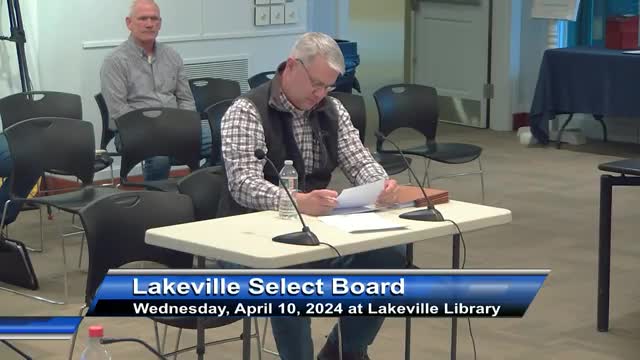
Summary
Inspectional Services reported a sharp drop in building-permit activity and recommended keeping permit-fee schedules under review. Officials discussed using permitting, short-term-rental registration and taxes (hotel/meals, EMS fees) as revenue tools and noted a new requirement for annual short-term rental inspections under the building code.
Lakeville’s inspectional services director told the finance committee on April 10 that building permit revenue has declined sharply from earlier years and that projected permit receipts for FY26 are estimated at about $25,000, or roughly 2.6% of the town’s local receipts figure presented in the budget.
The director said residential building activity has dropped to about 18 housing units projected for the year after a peak year in 2021 when the town issued more than 100 permits. He said commercial projects can still generate substantial permit revenue — a recent larger project produced six-figure permit revenue — but overall permit-related receipts are down and staff reduced per‑diem inspector hours to match activity.
Officials discussed potential revenue strategies to offset lower building-permit income. Suggestions included reviewing permit schedules for commercial projects, short-term-rental registration and inspections (the 10th edition of the building code requires annual inspections for short‑term rentals), consideration of a local hotel or meals tax (previous proposals resurfaced), and EMS fees for ambulance services. Staff said any change to taxes such as a hotel or meals tax would require selectmen action and public discussion; the town previously explored hotel and meals taxes in earlier years without adoption.
The inspectional services director said permit-fee schedules are benchmarked against surrounding communities and remain broadly competitive, and that the department monitors per-diem inspector rates to remain market-competitive. Staff also suggested targeted efforts to identify and register short-term rentals online and coordinate inspections; enforcement conversations included whether to apply delinquent-tax license refusals and vacant-property registration to compel compliance.
Why it matters: Building-permit revenue supports inspection operations; a sustained drop in construction activity reduces that revenue stream. Short-term-rental oversight and potential new local taxes are policy options that would require formal public processes.