Get Full Government Meeting Transcripts, Videos, & Alerts Forever!
Get email alerts on the Special Education topic
No spam. Unsubscribe anytime.
Washington Unified task force urges staffing, caseload caps and recruitment steps for special education services
Summary
District staff and a task force of special education professionals described rising caseloads, space shortages and recruiting challenges and urged the board to pursue caseload caps, more hires and site-level inclusion supports.
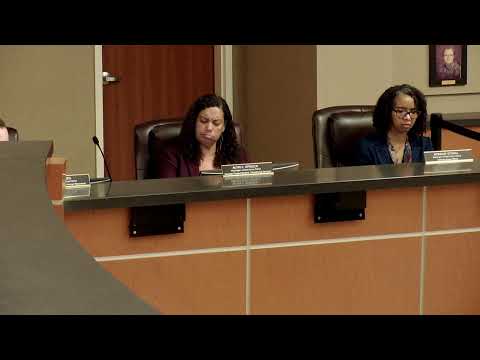
The Washington Unified School District Board of Education heard on April 10 an update from the Special Education Task Force that described rising special-education enrollments and widespread staffing pressures that district and task-force members said are affecting service delivery.
Task-force leaders and school-based providers urged the board to adopt clearer caseload limits, expand recruitment and retention strategies and boost site-level supports so staff can deliver timely evaluations, IEP minutes and therapy.
The task force, co‑ordinated by Assistant Superintendent Audrey Streak and Special Services Director Carla Salvo, reviewed data showing multi‑year increases in students receiving services and recommended immediate actions to reduce workload and ensure compliance with timelines. Task-force members said caseloads have risen across resource specialist programs, special day classes and speech-language caseloads, and that some classes have reached or exceeded recommended limits.
“We can't attract staff without caseload limits,” said Dinah Malkin, a speech and language pathologist who addressed the board during the task‑force presentation. Malkin told trustees that the Education Code language governing average SLP caseloads (55 cases) is outdated, that many preschool and SLP caseloads exceed the recommendation, and that use of contracted assistance has become an expensive band‑aid rather than a staffing solution. “Build it, and they will come, and they will stay,” she said of district hiring capacity if caseloads were capped and staffing improved.
Task-force members emphasized three concrete pressure points: workload and caseload increases driven by growing special-education enrollments; inadequate quiet or private space at sites to complete assessments and therapy; and a shortage of specialized staff (SLPs, school psychologists, BCBAs, RSP and SDC teachers). Deanna Christman, an RSP teacher at Bridgeway Island, said her site’s RSP staff face large pendings and frequent initial assessments, and warned that caseloads of 28 or more “are tough” and a driver of teacher burnout.
The task force documented recent gains — a district increase in graduation rates and declines in chronic absenteeism and suspensions for students with disabilities — but presenters said those improvements occurred while staff were working under growing strain. The task force proposed a set of near‑term and longer‑term steps, including: - Setting caseload caps for RSP, SDC and SLP positions (task force presenters cited a CTA recommendation of 20 for RSP and an SLP guidance limit of 55 cases), with an implementation timeline and waiver process where appropriate. - Expanding recruitment channels (LinkedIn, association sites such as ASHA/CASHA, national job boards), developing “grow‑your‑own” pathways (SLPA‑to‑SLP incentives, clinical supervision stipends) and offering retention/mentor stipends. - Increasing substitute capacity and creating a district rotation for IEP makeup days so meetings occur within contract time rather than after hours. - Strengthening MTSS, co‑teaching supports and inclusion pathways so gen‑ed teachers receive training and classrooms are more accessible to students with IEPs.
“We monitor caseloads weekly,” Special Services Director Carla Salvo told the board, but she added that caseloads can grow rapidly through the year and that the district had added staff in recent years while still seeing demand outpace hires. Salvo asked the board for guidance about positions that should be prioritized for hiring and whether it wanted district leaders to return with a staffing plan to right‑size services.
Public testimony backed the task‑force recommendations. Several speech and language pathologists said contracting agencies have higher hourly costs and produce unstable coverage; one SLP described a past caseload of 76 and said burnout nearly drove her from the profession. A Westmore Oaks third‑grade teacher and other RSP staff gave examples of routine overtime and deferred IEP work when caseloads increase.
Ending: Trustees asked staff to return with more specific right‑sizing recommendations and a proposed timeline for recruitment, caseload caps and site‑level inclusion supports. The district said it will continue monitoring caseloads weekly and work with human resources on targeted hiring and internship/partnership strategies.