Get Full Government Meeting Transcripts, Videos, & Alerts Forever!
Get email alerts on the Land Use Animal Control topic
No spam. Unsubscribe anytime.
Council tables proposed kennel/boarding ordinance after concerns about allowing kennels in commercial areas
Summary
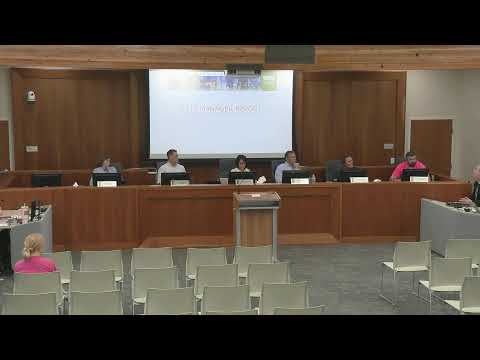
The Kaysville City Council debated a proposed ordinance to regulate kennels, boarding and grooming on April 10 and voted to table the item after councilors raised concerns about allowing kennels in central commercial and Main Street areas.
The Kaysville City Council debated a proposed land-use amendment to regulate kennels, boarding and pet grooming on April 10 and voted to table the item to a later meeting after extensive council comment and requests for clarifications.
What was proposed and why
Staff presented a draft ordinance intended to fill a regulatory gap that staff said had emerged after Davis County changed how it handles certain animal-control permits. The draft would add conditions and permitting requirements for kennels, boarding and related operations (for example, limits on dog counts, enclosure and fencing standards, hours for outdoor activity, and sanitation/grooming conditions). Staff said the draft was adapted from ordinances in neighboring jurisdictions.
Main points of council discussion
- Zone permissibility: Several council members said they are strongly opposed to allowing kennels in general commercial, central commercial or Main Street business districts; they said kennels and the potential for persistent dog-bark noise belong in more rural/agricultural zones. Multiple council members suggested limiting kennels to A-1 and A-5 agricultural zones, or possibly light-industrial areas outside core commercial corridors.
- Definitions and distinctions: Council members and staff discussed the need to distinguish clearly between short-term boarding (overnight boarding for a small number of pets), grooming businesses that occasionally board animals, and kenneling (which councilors associated with breeding/large collections of animals). Council members asked staff to add explicit definitions and to clarify any square-foot-per-dog metric in the draft (the draft and discussion referenced different figures during the meeting).
- Operational limits in the draft: Staff noted draft provisions such as hours for outdoor activity (example shown in the draft: no outdoor activity after 9 p.m. and before 7 a.m.), six-foot vinyl fencing or similar barriers, and proposed numerical caps (the presentation referenced a cap of 20 dogs for the example facility under discussion). Staff said the draft is intended to provide the city regulatory “teeth” where County permitting no longer covers the activity.
- Applicant outreach and next steps: Staff said they had proactively notified existing local businesses that board pets. Several council members recommended that the specific applicant who initially inquired be invited to present details (location, building layout, sound-mitigation plans) so the council could evaluate a concrete proposal rather than deciding based on the draft alone.
Council action
A councilor moved to table the draft ordinance work item until the next council meeting and to invite the prospective applicant to provide details; another councilor seconded the motion. The council voted to table the item and directed staff to return with: (1) clearer definitions distinguishing kennel vs. boarding; (2) a zoning map showing candidate commercial and light-industrial locations and areas to exclude (for example, Main Street and the immediate business district); and (3) suggested operational safeguards (soundproofing, separation distances, no shared walls with sensitive uses) and a recommended zone list.
Ending
Staff said they would bring a revised draft, definitions and maps to the next meeting and attempt to schedule the prospective operator to explain the proposed location and operations. No land-use change was adopted; the item was tabled to permit more information and map-based discussion.
Quotes
Ms. Edstrom (city staff): “By, at least from my perspective, by, regulating it, it gives us an opportunity to enforce it where right now there is no option for us.” (April 10 meeting)