Get Full Government Meeting Transcripts, Videos, & Alerts Forever!
Get email alerts on the Land Use Environment topic
No spam. Unsubscribe anytime.
Residents urge Fresno council to halt or rethink Southeast Development Area Plan over air, infrastructure concerns
Summary
At Thursday’s meeting residents and homeowners urged councilors to reconsider or delay the Southeast Development Area Plan (CETA), saying the project would increase carbon emissions, worsen local air quality and shift infrastructure burdens onto existing neighborhoods.
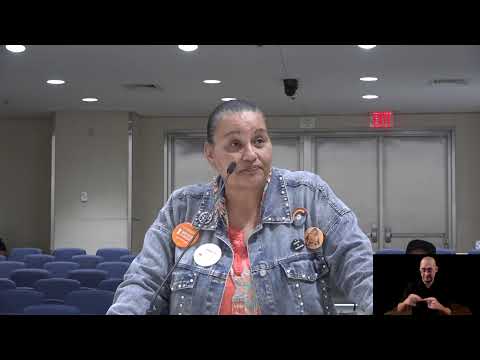
Residents and neighborhood representatives told the Fresno City Council on Thursday they are concerned the proposed Southeast Development Area Plan (sometimes referenced as CETA) would worsen air quality and shift infrastructure costs onto existing neighborhoods and taxpayers.
At a scheduled appearance before the council, Jesse Neves, a new homeowner in North Fresno, said the plan would add an estimated 500,000 tons of annual carbon emissions and said that would “wipe out the city's progress on climate goals for the next 2 decades,” quoting a local news summary of city documents. “Approving CETA is approving more bad air and all the coughing, wheezing, asthma attacks, and chronic illness that it brings,” Neves told the council and noted Fresno’s poor air grades from the American Lung Association.
Another speaker, Erica Leonard, a District 1 homeowner, said the city’s current budget shortfall and aging infrastructure make large new infrastructure commitments risky. She said she had filed a public-records request seeking planned infrastructure improvements for her neighborhood and that the city’s projected response date had slipped beyond statutory timeframes. “Unless you tell us otherwise, we have to assume we as Fresno taxpayers will be footing that infrastructure bill upfront with no guarantee of any benefit,” Leonard said.
Council members did not take action on CETA at the meeting. Staff and councilors acknowledged the comments and said the plan will continue to be debated in future hearings; several councilors reiterated the need to balance housing goals with infrastructure and public‑health protections.
Ending: The council received public comments requesting more detailed environmental and infrastructure analyses and clearer commitments on who will pay for required upgrades if the plan proceeds. The council did not vote on the plan at the meeting.