Get Full Government Meeting Transcripts, Videos, & Alerts Forever!
Get email alerts on the Landfill Intake Volume topic
No spam. Unsubscribe anytime.
Resident raises 72,000‑ton discrepancy in Coffin Butte intake totals; asks county and franchisee to reconcile figures
Summary
A North Benton County resident asked the Disposal Site Advisory Committee (DSAC) to help reconcile a difference between the intake volume implied by Benton County franchise fee payments and the total reported by Oregon DEQ, a discrepancy of roughly 72,000 tons for the previous year.
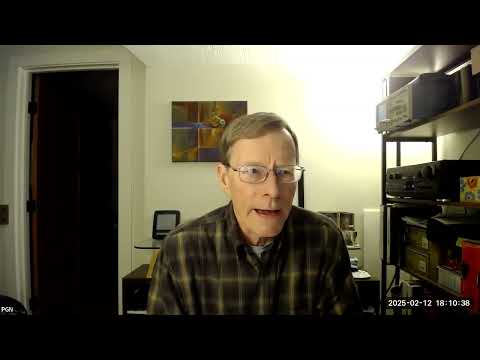
Paul Neidfeld, identifying himself as a North Benton County resident, told the Benton County Disposal Site Advisory Committee that his back‑of‑the‑envelope calculation suggests a roughly 72,000‑ton gap between what the county was paid in franchise fees and the tonnage reported in Oregon Department of Environmental Quality (DEQ) quarterly disposal reports.
Neidfeld said he used the fee schedule in the 2020 landfill franchise agreement and county revenue figures to “back calculate” intake and arrived at about 1,045,000 tons for the year; he reported that quarterly DEQ totals add up to about 1,117,000 tons. “So there's a discrepancy there of over 72,000 tons,” he said.
Neidfeld asked the committee whether the panel or the franchisee could clarify “what was the actual intake volume of Coffin Butte last year and how should I reconcile the figures that are listed in the solid waste disposal reports for DEQ with the intake figure that the county's revenue is based on.”
Bailey Payne, a county staff member assisting the committee, said she did not have the answer on hand and would need to consult the county finance manager. Brett, a Republic Services representative at the meeting, said he believed the DEQ number was about 1.1 million tons and that he was not the person who prepares the franchise‑fee submission. He acknowledged there may be “puts or takes” in the accounting and suggested special waste might be treated differently under the franchise fees.
Committee members and Republic representatives discussed that the 1,100,000‑ton annual cap referenced in the franchise agreement applies to municipal solid waste and does not include special waste (industrial soils, asbestos, biosolids and certain disaster debris), meaning total tonnage can exceed the cap when special waste is included. Brett said some past public figures that suggested the cap was exceeded did not separate out special waste and, when special waste is removed, the site was under the cap.
The committee did not resolve the discrepancy at the meeting. Neidfeld asked Bailey Payne to work with the franchisee to reconcile the county revenue/franchise fee calculation with DEQ’s reported figures; Payne agreed to follow up and pass an answer back to Neidfeld.
The committee discussed next steps for obtaining timely intake information. Neidfeld said getting earlier visibility on intake is important because annual reports can arrive late. Committee members agreed staff and Republic should coordinate to locate the source documents and clarify whether some categories of material are excluded from franchise‑fee calculations.
Ending: The committee recorded the request as an action item: Bailey Payne will work with the franchisee and county finance staff to reconcile county franchise‑fee calculations with DEQ quarterly disposal totals and report back to Paul Neidfeld.