Get Full Government Meeting Transcripts, Videos, & Alerts Forever!
Get email alerts on the Medicaid topic
No spam. Unsubscribe anytime.
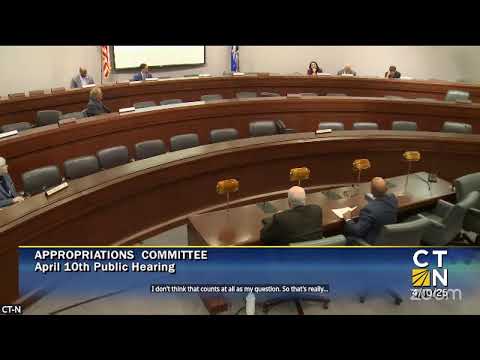
Department of Social Services reports roughly $204 million Medicaid shortfall at appropriations hearing
Summary
DSS officials told the Appropriations Committee the Medicaid program is the largest driver of the state's deficiency projections, citing higher per‑member costs, growing home‑and‑community‑based services, and rising pharmacy spending.
The Department of Social Services told the Appropriations Committee that Medicaid is the largest single driver of the state’s deficiency estimates for fiscal 2025, citing higher per‑member medical costs, faster growth in home‑and‑community‑based services and waivers, and rising pharmacy spending.
DSS officials described the shortfall as a multi‑part problem. “The current Medicaid deficiency is …” said a department official listing the program shortfall when summarizing testimony to the committee. Agency staff said the key drivers include an increase in per‑member per‑month (PMPM) spending on Husky C (the state’s higher‑cost Medicaid population), rapid growth in home‑and‑community‑based services and waivers, and a national trend of higher prescription drug costs combined with a drop in drug rebates that historically offset pharmacy spending.
Why it matters: Medicaid is a major portion of the state budget. Even modest percentage increases in utilization or drug spending can translate to large dollar impacts on the general fund because of the program’s size and the state share of expenditures.
Details from testimony: Department witnesses told the committee the Husky C PMPM rose notably — the department cited an increase from roughly $3,105 to $3,339 for a recent period — and home‑care waivers such as the Connecticut Home Care waiver and Community First Choice now serve thousands more recipients at several thousand dollars per person per year. Officials also noted that each 1 percentage‑point drop in drug rebates equates to roughly $20 million in gross pharmacy spending (about $8 million state share).
Agency response and next steps: DSS said it presented an updated Medicaid budget in the mid‑session update earlier this year and that the governor’s recommended budget did not incorporate all of the department’s mid‑session adjustments. DSS requested continuing engagement with legislators to align projections, asked for the final enacted deficiency action before the fiscal year ends, and flagged that federal changes could add uncertainty.
Ending: Committee members asked for follow‑up materials to reconcile monthly projections and requested more granular data on enrollment mix, the movement of recipients between institutional and community‑based care, and pharmacy‑trend modeling.