Get Full Government Meeting Transcripts, Videos, & Alerts Forever!
Get email alerts on the Housing topic
No spam. Unsubscribe anytime.
District 5 applicants outline multi-pronged approaches to housing and homelessness
Summary
Seven candidates for Pima County District 5 described housing affordability, stagnant wages and homelessness as interconnected problems and urged coordinated county, city, tribal and state strategies including using county-owned land, workforce development and expanded social services.
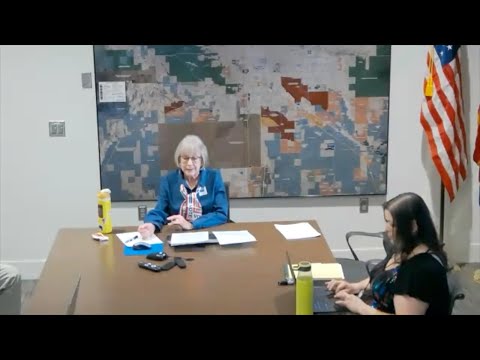
Seven applicants for the Pima County Board of Supervisors’ District 5 vacancy told a League of Women Voters forum that housing affordability and homelessness are multi‑faceted problems that require coordinated action among county, city, tribal and state partners.
Candidates at the virtual forum on May 1 emphasized a mix of housing production, wage growth, workforce training and expanded support services rather than a single solution. “We need to be able to work along with each other with the city of Tucson, but as well as the state level, and we're gonna have to find a way to work at the federal level to address different facets at each different layer of government,” said Luis David Arruzzo Sr., who described long experience as a community case manager.
Why it matters: District 5 includes neighborhoods that candidates said face high poverty rates, rising rental costs and concentrations of mobile-home residents on fixed incomes. Candidates tied housing to workforce development and social services: several said county‑owned properties could be used for affordable housing, while others urged investments in trade schools, child care and financial literacy to help residents sustain housing.
Most candidates named multiple drivers of the crisis. Carla Bernal Morales, who cited work with the Tucson Hispanic Chamber and United Way programs, urged “collaboration and compromise” among local institutions and education partners such as Pima Community College and the University of Arizona to align workforce pipelines with employer needs. Candidate Kimberly Viesa said the county has begun transactions to make county land available for low‑income housing and supported expanding that review.
Several speakers highlighted homelessness as distinct but related. Raul Esparza (transcript: Raul Escona) framed the issue as a “housing and humanitarian crisis” and pointed to county investments in a transition center that has served more than 2,000 people, an example he said of the county’s current work. Andres Cano, who said he served in the state House and as House minority leader, urged continued regional partnerships and cautioned that county jails are not appropriate places for behavioral‑health care.
On wages and jobs, Carla Bernal Morales and others argued that stagnant wages and limited housing supply must be addressed together. “We need to have a conversation with our industry partners and talking about providing high quality jobs, high paying jobs,” Morales said, adding that raising wages would help families afford housing and build savings.
Specific proposals and program references in the forum included: reviewing county‑owned property for affordable housing development; expanding trade and vocational training (several candidates named JTED-style programs); supporting the county’s transition center and homelessness services; and pairing housing production with supportive services such as workforce development and child care.
What remains unclear or not specified: Candidates discussed funding sources broadly (federal, state, county, tribal partnerships) but did not detail precise revenue streams for proposed projects. Several candidates referenced recent or ongoing county transactions or programs without listing project names or dollar amounts. Candidates also praised existing initiatives such as the county’s housing trust and transition center, but specific implementation timelines and project locations were not specified in the forum.
Ending: Candidates repeatedly framed housing and homelessness as issues that cross jurisdictions and called for a regional, “all‑hands‑on‑deck” response. The Board of Supervisors will appoint a District 5 supervisor to fill the vacancy; candidates said they would prioritize housing and allied workforce and social‑service strategies if selected.