Get Full Government Meeting Transcripts, Videos, & Alerts Forever!
Get email alerts on the Public Health topic
No spam. Unsubscribe anytime.
Health director reports clinic volume, environmental permitting and WIC participation; board accepts quarterly update
Summary
Burke County Health Director Danny Scalise briefed commissioners on clinic visits, WIC participation, environmental health permitting and community health assessment progress; commissioners accepted the quarterly report.
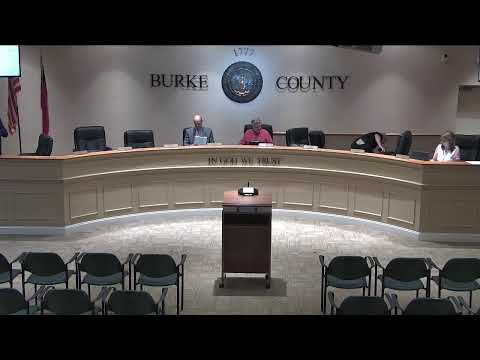
Danny Scalise, Burke County health director, presented the health department's quarterly operational report on April 7, highlighting clinic volume, environmental permitting, WIC participation and accreditation work.
Key points
- Clinic services: about 1,200 clinical encounters during the quarter across five service lines; the department performed roughly 1,657 laboratory tests including COVID and flu testing.
- WIC and CARE programs: WIC participation exceeded the U.S. Department of Agriculture participation targets; WIC redemptions in Burke County totaled roughly $418,000.
- Environmental health: the department issued about 75 septic permits and 12 well permits during the quarter and reduced the on-site permit wait time to approximately four weeks, a competitive turnaround among neighboring counties. The department permitted 10 new restaurants during the quarter (several were ownership transfers).
- Community health assessment and accreditation: the department is progressing on its community health needs assessment (coordinated with UNC Health) and has submitted required accreditation materials to the state.
Board action
Commissioners voted to accept the health department's quarterly report; the recorded vote was 4-0.
Director Scalise thanked staff and noted continuing community engagement and partnership work, including academic affiliations and staff participation in regional leadership programs.