Get Full Government Meeting Transcripts, Videos, & Alerts Forever!
Get email alerts on the Tariffs Energy topic
No spam. Unsubscribe anytime.
U.S. senator from West Virginia defends tariffs as support for coal, energy dominance
Summary
A United States senator from West Virginia defended recent tariff measures, saying they will boost domestic coal and help the U.S. become an "energy dominant" nation while urging patience as the policies play out.
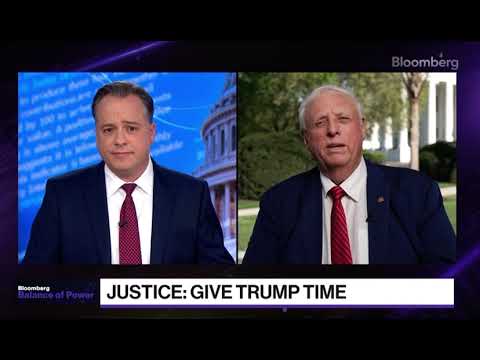
A United States senator from West Virginia defended the Trump administration’s tariff actions in a radio interview, saying the policies will "hasten the need" for more domestic coal and help the United States become a dominant energy producer.
The senator told the interviewer that coal miners and related workers "are craftsmen, they're smart, they're good people" and called the coal industry "the production engine of this country." He said tariffs tied to energy will strengthen U.S. energy production and that, over time, the measures will benefit American jobs and industry.
The interviewer played a clip of Republican Sen. Tom Tillis of North Carolina questioning whether the administration had "gamed out" the tariff decision. The senator responded that characterizing the decision as not well thought out was ‘‘disrespectful’’ and "inappropriate," and urged critics to "give the man time to do his job. We elected him overwhelmingly. Give him time to do his job."
Asked whether tariffs could worsen economic conditions if demand for energy weakens amid recession risks, the senator said uncertainty is widespread but argued that failing to increase domestic energy production and upgrade the grid would force difficult choices later. "If we don't do something today, in a year and a half from today, we're gonna have to make 1 or 2 decisions. We're gonna have to choose homes or we're gonna have to choose jobs and energy or jobs and industry because we're not gonna be able to do both," he said.
The senator tied the energy argument to national security, warning that insufficient U.S. energy capacity could leave the country more vulnerable to foreign competitors. He framed support for coal and other domestic energy production as part of a broader economic and security strategy, and said the administration would adjust policy if needed.
The exchange included disagreement with outside criticism but no formal policy decision recorded during the interview. The senator repeatedly urged patience for administration policy outcomes while stressing the need to strengthen domestic energy supplies.
The interview also touched on related economic concerns, including trade retaliation and demand-side risks, but the senator emphasized his view that energy production should be prioritized to preserve jobs and industry going forward.