Get Full Government Meeting Transcripts, Videos, & Alerts Forever!
Get email alerts on the Immigration Nonprofit Liability topic
No spam. Unsubscribe anytime.
Tennessee committee advances bill allowing lawsuits against nonprofits that house undocumented immigrants after testimony from faith leaders
Summary
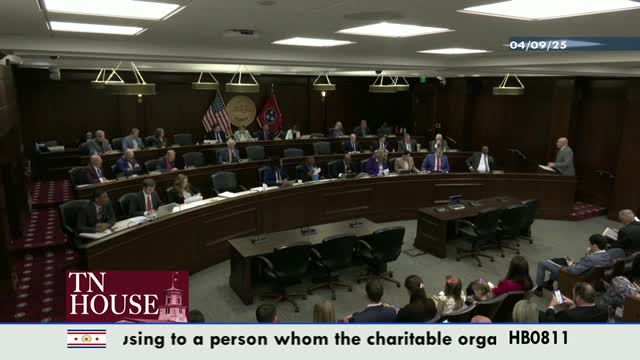
A House committee moved House Bill 8 11 to calendar and rules after hours of testimony from nonprofit and faith-based leaders who said the bill would expose their organizations to negligence claims for helping people obtain long-term housing.
A Tennessee House committee voted to advance House Bill 8 11, a measure that would let crime victims sue charitable organizations that knowingly provide long-term housing to people the organizations know are unlawfully present in the United States.
Supporters said the bill restored civil liability where the General Assembly had previously removed it. Representative Joe Grylls, speaking for the bill, said the statute that granted immunity to charities in 2022 should be rolled back so groups can be held to the same negligence standard as others.
Several faith-based and charitable witnesses told the committee they opposed the bill. Lindsay Crinks, a minister and co‑founder of a statewide homelessness coalition, said that although the bill’s language now excludes temporary emergency shelters, it still “is too vague when it comes to defining negligence” and could chill religious ministries that connect people to permanent housing. Crinks told the committee that her organization has “never had a negligence claim.”
Other witnesses raised constitutional and practical concerns. Witnesses warned the bill could expose volunteers and faith groups to litigation for helping families or providing translations and said existing federal housing rules and the 2022 law already shaped liability boundaries.
Supporters, including the bill sponsor, said the measure targets organizations that knowingly help people circumvent immigration laws in order to obtain long‑term housing and does not affect emergency shelters, the Red Cross, or temporary housing. Representative Grylls said the statute would not impose vicarious liability for crimes committed later by tenants but would allow negligence claims where charities breached a duty of care that led to harm.
The committee voted to send the bill, as amended, to calendar and rules. The roll call recorded 15 ayes and 6 noes.
What happens next: If placed on the calendar, the bill would go to the full House for debate. Committee members repeatedly asked whether the bill would expose long‑standing charitable practices to new liability and whether the law restored by the measure simply returns the state to pre‑February 2022 civil‑liability law.
Votes at the committee: The committee recorded a final vote sending House Bill 8 11, as amended, to calendar and rules with 15 ayes and 6 noes.