Get Full Government Meeting Transcripts, Videos, & Alerts Forever!
Get email alerts on the School Budget topic
No spam. Unsubscribe anytime.
Pelham board and staff debate budget trade-offs, residency reviews and a small clerical hire to speed e-registration
Summary
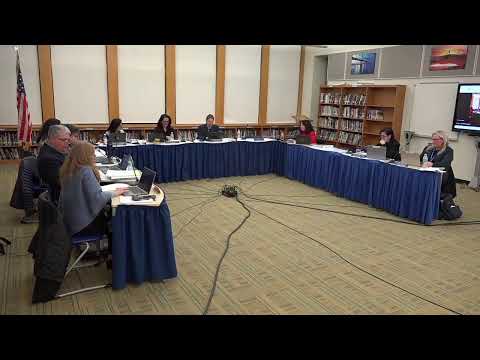
At its April 9 meeting the Pelham Union Free School District board and staff reviewed the 2025-26 budget proposal, discussed a projected drop in building aid, considered using additional debt-service reserves to lower the tax levy, and weighed adding a part-time clerical role to accelerate electronic re-registration and residency verification.
The Pelham Union Free School District Board of Education and district staff spent the April 9 meeting focused on final questions about the 2025-26 school budget, a planned move toward more electronic student registration and how the district handles residency investigations.
Board President Jackie (last name not specified) opened discussion by reminding the public that the board will vote on the budget next Tuesday and said the proposal aims to “control our biggest expense — our teachers — while not disturbing robust programming.”
District staff described the budget drivers and options. A major revenue shift in the proposal is the scheduled decline in state building aid tied to prior capital projects; staff said that drop is roughly $850,000 and was expected. Finance staff noted the district’s foundation and transportation aid came in favorably this year, and that overall state aid remains positive despite the building-aid reduction.
“Absent that drop off, you could see a year-to-year increase of about 2.4 percent,” said a finance staff member identified in the meeting as Jim. The proposed tax-levy increase in the budget presented to the board is 3.69 percent. Finance committee members and staff discussed drawing more from the district’s debt-service fund to lower that levy. Staff said applying an additional $150,000 from debt-service reserves (for a total of $2,225,000) would reduce the proposed levy increase to about 3.48 percent.
Nut graf: Why this matters — property-tax increases and district staff levels were the meeting’s central trade-offs. The board must balance keeping class programming and staff resources while managing tax impact for residents; state aid changes and one-time fund-balance choices will affect both near-term taxes and future budget flexibility.
Residency verification and proposed registration changes
Board members repeatedly returned to student residency enforcement, a recurring community concern. District staff lead on residency investigations (Jim) described the process: investigations can include surveillance by a contracted investigator, notice to families, a final determination and a statutorily available appeal to the State Education Department that can stall removal for months. Staff cautioned that re-registering students annually would likely generate many false positives, require sustained clerical time and could trigger more investigations and associated legal costs.
Superintendent Dr. Champ said moving more registration to an electronic system would help flag discrepancies, but that the clerical cost to run a re-registration program is only part of the picture. “The clerical cost is one piece, but it’s not the full picture of what it would take to bring on this full process,” Dr. Champ said, noting follow-up work, document review and potential legal steps can raise costs beyond simple data entry.
Staff presented a low-cost operational option: hire a part-time clerical person (approximately 15 hours per week) at an estimated hourly wage to focus on re-registration at milestone grades (for example transitions into Grade 6 and Grade 9). That staffer was estimated at roughly $16,000 annually at the rate used in the discussion; staff and board flagged that the estimate assumes ideal response rates and does not include follow-up investigation, legal costs or extended chase work if families do not respond. Alternatives discussed included a seasonal full-time hire over the summer or piloting a program before making it permanent.
Board direction and next steps
Board members asked administration to return with an implementation plan and cost estimate. Several trustees signaled support for exploring a seasonal pilot or modest one-year investment; staff said they could likely identify a small contingency or reallocate approximately $16,000 if the board directed them to pilot the program this year.
Staff also reiterated that the State Education Department issued guidance discouraging full re-registration as a routine practice and that legal processes (including state appeals and federal protections when families are homeless) constrain what the district can demand or disclose in individual cases.
Ending: The board asked administration to return at the next meeting with a clearer plan and budget impacts; the board’s formal vote on the full 2025-26 budget is scheduled for April 22, ahead of the May 20 public budget vote.