Get Full Government Meeting Transcripts, Videos, & Alerts Forever!
Get email alerts on the Voter Id Election Integrity topic
No spam. Unsubscribe anytime.
Assembly committee rejects AB 25 after hours of debate over voter ID and election integrity
Summary
The Assembly Elections Committee voted down AB 25, a contentious voter ID and election-integrity bill by Assemblymember DeMaio, after hours of testimony and partisan debate. Supporters argued the measure would restore public confidence; opponents said it would impose burdens on voters and worsen disparities.
The California Assembly Elections Committee voted down Assembly Bill 25 on a 2-4 vote after a lengthy, sometimes heated hearing that drew extensive testimony from national and state voting-rights and civil-rights groups.
AB 25, authored by Assemblymember James DeMaio, would have required documentary citizenship verification at registration, mandated government-issued identification for returning ballots (including vote-by-mail), strengthened random audits of voter rolls and signature-review processes, and imposed a 72-hour requirement for counties to complete ballot counting or lose the ability to use universal mail ballots for the next election.
Proponents, including DeMaio and witnesses from the Election Integrity Project California, told the committee the package of measures would address public concern about election integrity. DeMaio repeatedly framed the bill as nonpartisan and argued that survey data show broad public support for voter ID and citizenship verification. “This is about restoring public trust and confidence,” DeMaio said (transcript excerpt). Supporters also urged stronger list maintenance and faster tabulation to reduce the time window for misinformation to spread.
Opponents — led by the League of Women Voters, the ACLU of California Action, labor unions and disability advocates — said the bill would erect new barriers to voting for seniors, people with disabilities, communities of color and low-income residents. Dora Rose of the League of Women Voters told the committee that AB 25 was “a sweeping proposal designed for no purpose other than to restrict voting access,” and cautioned that millions of eligible Californians lack the documentary proof the bill would require. The ACLU witness said studies show voter ID laws depress turnout among marginalized groups. Several witnesses also warned that a 72-hour counting deadline would punish voters for postal delays and risk throwing out valid ballots.
Committee members questioned claims on both sides. Some members pressed the author on the Transparency Foundation audit he cited as evidentiary support; others said courts and academic studies have repeatedly found no widespread voter fraud in California. The author defended the bill as targeted at procedures that vary across counties and said he was open to amendments, including lengthening the 72-hour counting timeline.
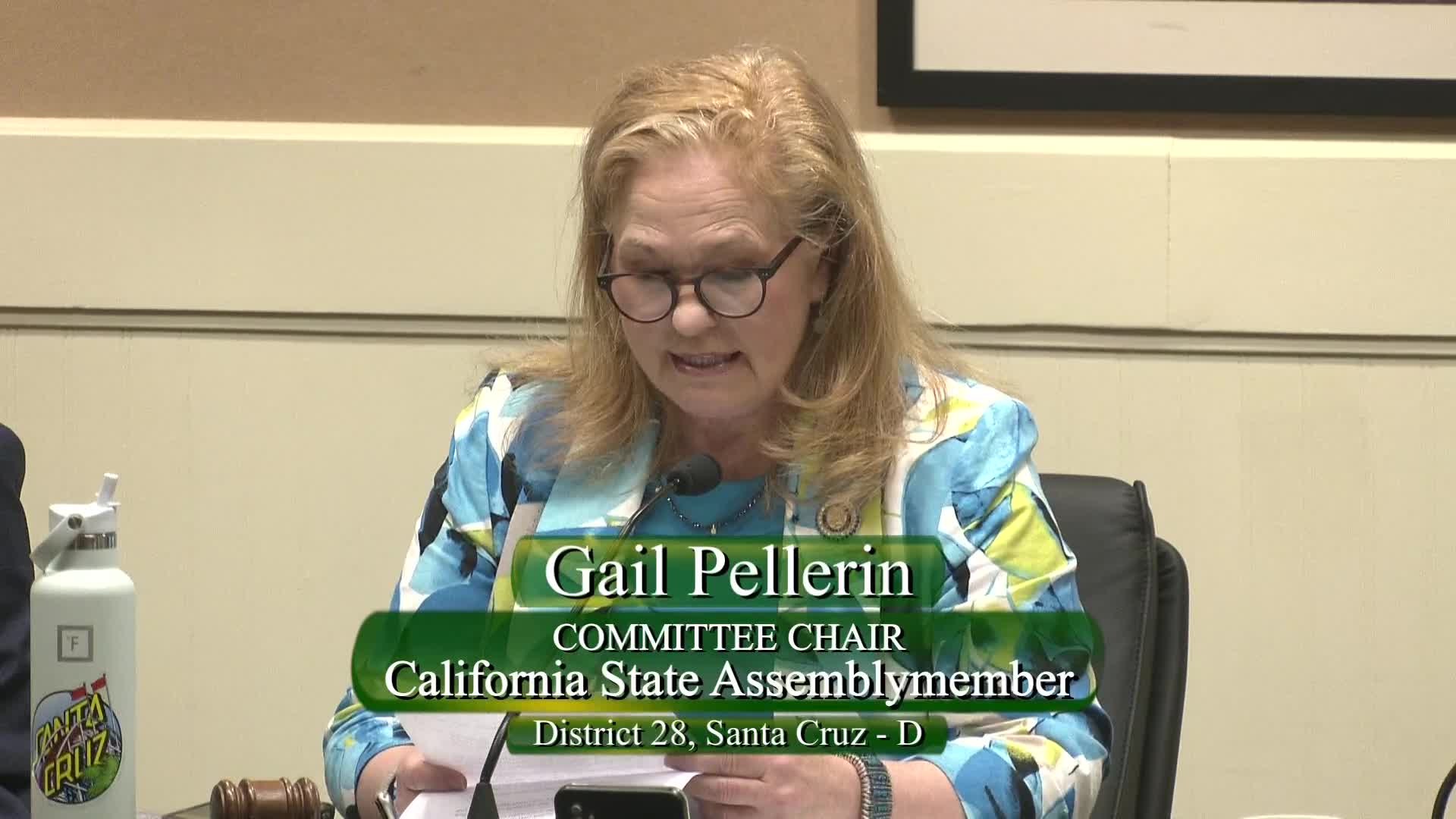
The committee roll call recorded “aye” votes from Assemblymember Macedo and Assemblymember Tongapha (2), and “no” votes from Chair Pellerin, Assemblymember Berman, Assemblymember Salace and Assemblymember Stephanie (4). The chair announced the bill failed on the committee floor after final counting.
Because AB 25 involved multiple contested procedural changes, the committee hearing was lengthy and at times partisan; members and advocates repeatedly clashed over the bill’s purpose and the data cited by its author. The committee rejected the measure, and DeMaio said he planned to pursue the measures with voters outside the Legislature.
The committee did not adopt any substitution or compromise version during the hearing; the bill as presented was defeated.
AB 25 vote record (committee): Macedo — yes; Tongapha — yes; Pellerin — no; Berman — no; Salace — no; Stephanie — no. Outcome: failed.
This defeat does not change current California law: no statewide documentary voter ID requirement will be imposed as a result of this hearing.