
Facilities assessment finds $83.7 million in prioritized needs at five Medford schools
Get AI-powered insights, summaries, and transcripts
Sign Up Free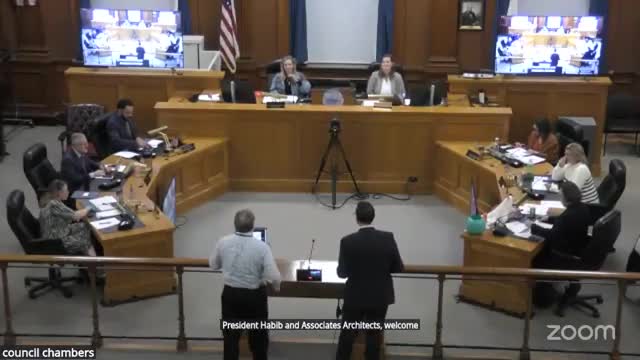
Summary
An outside architect told the Medford School Committee a facilities condition assessment of five elementary and middle schools identified about $83.7 million in repair and replacement needs, with roughly $18.6 million in highest‑priority work recommended within two years.
An outside architect told the Medford School Committee on Monday that a visual facilities condition assessment of five Medford elementary and middle schools identified about $83.7 million in work across site, building envelope, interiors, mechanical, electrical and communications systems.
Kevin Provencher, an architect working with Habib & Associates Architects, presented the district assessment covering Brooks, Missatuck, Roberts, Anderson and McGlynn schools. He said the work items were divided into three priority scopes: scope 1 work recommended within two years, scope 2 within two to five years and scope 3 for five years and beyond.
Provencher summarized the cost breakdown presented in the report: about $17 million for scope 1 items, $39.2 million for scope 2 and $11.8 million for scope 3 before escalation; with projected inflation and soft costs included, the consolidated total was about $83.7 million. He said roofs at all buildings are past warranty and strongly recommended consideration for replacement and that some ground‑floor vinyl tile failures at Brooks and Missatuck will require further testing to determine cause and correct remediation.
Kenneth Lord, the district's chief operating officer, and the architect recommended routing the assessment into the district's capital plan. Provencher said the assessment uses site inspections, interviews with principals and custodial staff and review of original construction drawings; quantities received cost multipliers and a 30% addition for soft costs were used in the report's budget estimates. He said the assessment factored a 5% annual escalation for construction costs in its projections.
Committee members asked for clearer tracking of progress against the assessment. Member Graham said the committee’s capital planning process will incorporate the assessment and asked the administration to provide periodic progress reports so the community can see which items are completed and which remain. Provencher recommended repeating a similar district assessment around every five years and said most observed deficiencies were attributable to predictable age‑related deterioration rather than unforeseen emergencies.
No formal vote on the assessment was taken at the meeting; committee members heard the report and directed staff to fold the findings into upcoming capital planning conversations and the budget process.