Get Full Government Meeting Transcripts, Videos, & Alerts Forever!
Get email alerts on the Civil Rights Healthcare topic
No spam. Unsubscribe anytime.
Dozens of speakers urge council to protect access to gender‑affirming care; no resolution advanced at meeting
Summary
Nineteen members of the public spoke during a heated public‑comment period about proposed protections for gender‑affirming care. Multiple speakers urged the council to adopt a resolution; council leadership said no resolution was before the body because it lacked the required sponsors.
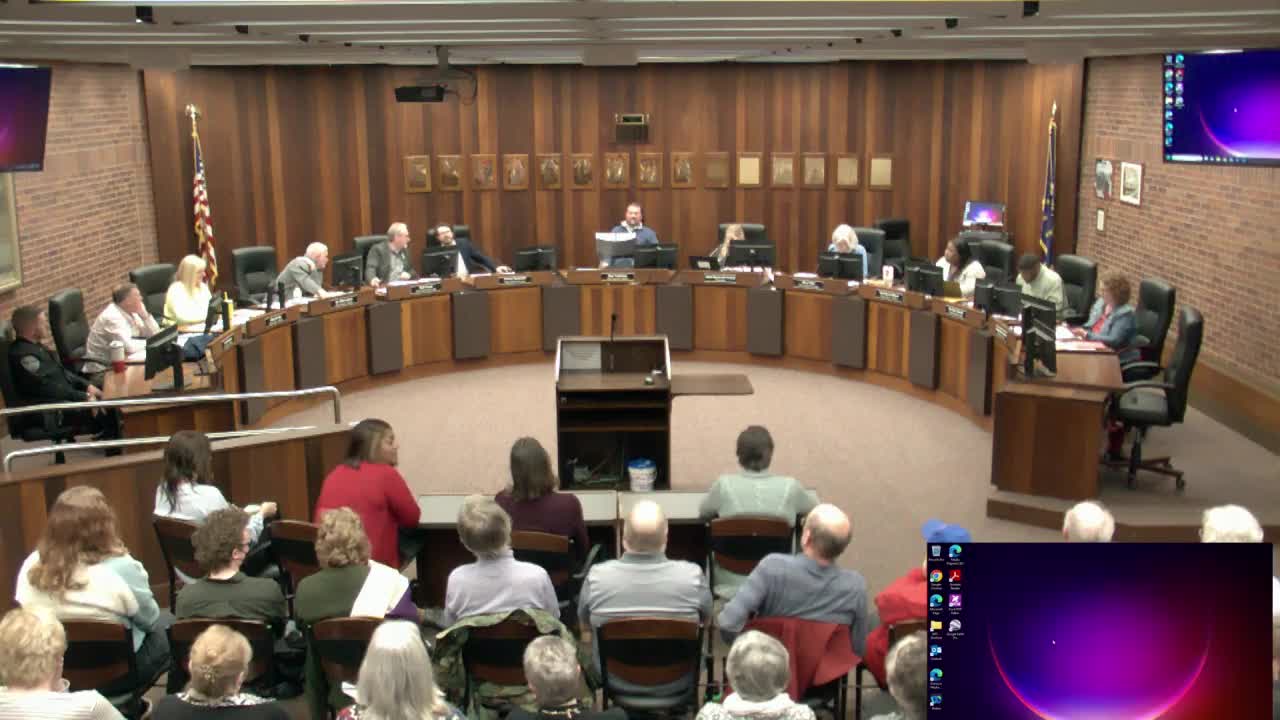
Nineteen members of the public addressed the Evansville Common Council on March 31, delivering personal testimony and arguments both for and against local protections for gender-affirming medical care.
Council President Trotman opened public comment by noting there was no resolution before the council that night and that a formal resolution requires sponsorship. Councilwoman Allen and other council members spoke in support of treating all residents respectfully and acknowledged the emotional nature of the topic; council leadership asked speakers to keep comments to the three-minute limit and to refrain from personal attacks.
Speakers in favor of a local protective resolution included Dawn Schwindel, president of River City Pride; Laura Norvell (who presented the city’s climate plan earlier) was not part of this panel but several medical professionals and public-health experts addressed the council. Those who supported protections described gender-affirming care as medically established and life-saving and asked the city to affirm that Evansville is a safe community for transgender and non‑binary residents.
Medical professionals who spoke — including a board-certified family physician who practices community health and other clinicians — cited research and professional organizations and described clinical experience that gender-affirming care reduces suicidality and improves outcomes. Residents who described their personal experience with transition spoke about improved mental health and ability to live and work in the community.
Speakers opposed to local protections or skeptical of gender-affirming care also addressed the council; their remarks included concerns about minors and opposition to taxpayer funding for elective medical procedures. Several speakers said such policy decisions should be made at the state level.
Council President Trotman reiterated that no resolution was being voted on that evening; he also set rules for decorum. Council members on both sides of the issue said they had heard the speakers and would take the comments into account. No formal action or ordinance was introduced or adopted on the topic during the meeting.