Get Full Government Meeting Transcripts, Videos, & Alerts Forever!
Get email alerts on the School Discipline Student Health Vaping topic
No spam. Unsubscribe anytime.
Lincoln High School staff, resource officer outline vaping detectors, targeted bathroom searches and consequences
Summary
Lincoln High School staff and a school resource officer presented data on vaping detector activations, described targeted bathroom searches tied to detector alerts, and outlined school and law-enforcement responses including educational courses for nicotine offenses and suspension and reentry conditions for THC possession.
Lincoln High School administrators and a school resource officer presented the board with an update on student vaping, detector data, targeted bathroom searches and the district's response plan on April 14.
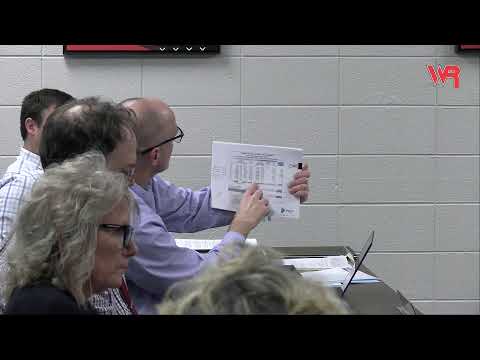
School staff (including Lincoln principal Tracy Ginter, staff presenters identified as Robin and Kelly, and Dr. Watson) described rising visibility of vaping devices on campus, instances of THC vapes, and operational impacts such as damage to plumbing and bathroom congestion. Staff presented detector data showing an average of roughly 39 detector hits per day at Lincoln High School and described detectors being triggered across the day with common hits in bathrooms near the main office and other locations. The presenters showed confiscated devices and said some are turned over to the police for evidence when they appear to contain THC.
Administrators described a targeted search procedure initiated when a detector indicates vaping in a bathroom. The procedure, they said, uses video-camera timestamps to identify students who entered the bathroom at the time of the activation; staff then clear the stalls, line students up for a quick wand or hand-held detector check, and call the school resource officer for a search if the administrator's screening indicates further action. The presentation included a live demonstration of how administrators and the resource officer conduct a search and how officers document the interaction (body-camera usage was referenced during the demonstration).
Consequences differ depending on the device content, the presenters said. For nicotine vapes, the school employs an educational remediation course and loss of privileges for 15 days for a first offense and would escalate consequences for repeat offenses. For devices that test positive for THC, staff said the district refers the matter to law enforcement and Wood County Neighborhood Services; students found in possession of THC vapes face a five-day out-of-school suspension, completion of an educational vaping course, recommended counseling meetings, urine drug screening and a conditional reentry or pre-expulsion process as appropriate.
Administrators described complementary measures: supporting a student-led FACT (Fight Against Corporate Tobacco) group, installing secure vape-disposal boxes in some bathrooms, targeted supervision at known hotspot times and locations, health education, and efforts to secure training for evidence-based cessation programs. School staff said they will revise handbook language to clarify where searches may occur (restrooms to be explicitly listed) and will bring handbook language updates to the board in May.
Officer Olivares (school resource officer) explained the law-enforcement referral process: when the school refers a possession incident to law enforcement, the officer decides whether to issue a citation for nicotine possession or to refer THC possession to county services for further action. Administrators reported 23 students with THC devices confiscated at Lincoln so far in the 2024–25 school year and said the detectors and targeted approach have yielded confiscations in five out of six bathroom searches conducted during a targeted operation on March 19.
Administrators emphasized a mix of education, targeted enforcement and student supports as their primary strategy.