Get Full Government Meeting Transcripts, Videos, & Alerts Forever!
Utah Court of Appeals hears arguments on whether Zions Bank can be liable to non‑account holders in Howells v. Zions Bank
Summary
The Utah Court of Appeals heard oral argument in Howells v. Zions Bank, No. 20240118, on whether a bank can be liable to a non‑account holder for aiding and abetting fraud and what level of factual pleading is required to survive a Rule 12(b)(6) dismissal.
The Utah Court of Appeals heard oral argument in Howells v. Zions Bank, No. 20240118, on whether a bank can be liable to a non‑account holder for aiding and abetting fraud and what level of factual pleading is required to survive a Rule 12(b)(6) dismissal.
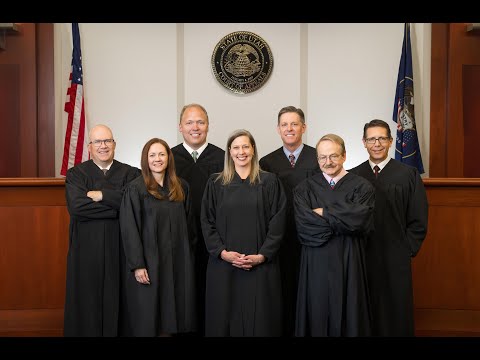
"Thank you and welcome to the Court of Appeals this morning. I'm Judge Luthy. I'm joined by Judge Orme and Judge Tenney," presiding Judge Luthy said at the start of the session. Counsel for both sides argued for and against permitting discovery and for the proper application of pleading standards to the case.
Why it matters: The parties dispute whether Zions Bank had the requisite knowledge and whether it provided substantial assistance to Galen Russ, whose operation plaintiffs allege moved roughly $200 million through accounts under his control. A ruling that requires more detailed factual pleading at the complaint stage or that limits discovery could narrow the circumstances in which banks face accessory liability to customers or other non‑account holders.
Appellants' argument
James Magleby, arguing for the Howells, said the complaint contains detailed factual allegations and cited prior Utah and federal banking cases to contend that knowledge can be pleaded generally while other fraud particulars may require greater specificity. "This case begs the question of whether or not a bank could ever be liable to a non account holder," Magleby told the court. He urged that courts have allowed aiding‑and‑abetting claims to proceed when the plaintiff lacks access to factual evidence that would show a defendant's state of mind before discovery.
Magleby pointed to several pleaded facts he said support an inference of knowledge or at least justify discovery: that roughly $200 million passed…
Already have an account? Log in
Subscribe to keep reading
Unlock the rest of this article — and every article on Citizen Portal.
- Unlimited articles
- AI-powered breakdowns of topics, speakers, decisions, and budgets
- Instant alerts when your location has a new meeting
- Follow topics and more locations
- 1,000 AI Insights / month, plus AI Chat