Lifetime Citizen Portal Access — AI Briefings, Alerts & Unlimited Follows
Council adopts Slow Streets ordinance but delays final Forest Avenue ‘Promenade’ designation to May hearing
Loading...
Summary
Council adopted a citywide Slow Streets ordinance but postponed formally designating Lower Forest Avenue as a slow street until after the ordinance’s effective date; a public hearing was set for May 20.
The Laguna Beach City Council on April 8 adopted an ordinance to create a citywide Slow Streets program and took public testimony about the Promenade on Lower Forest Avenue, but the council elected to delay final designation of Lower Forest as a slow street until a subsequent hearing after the ordinance takes effect.
Community Development staff presented the ordinance establishing Chapter 11.7 — the procedural framework and signage, outreach and permit requirements for temporary or permanent street closures for pedestrian‑oriented uses. Community Development Director Louis Lacosteau told the council the ordinance aligns with the California Vehicle Code provision cited by staff and lays out steps for signage, notification and a public website for the program.
The council then considered a resolution to declare the lower portion of Forest Avenue a slow street as part of the Promenade project. That resolution was linked to the larger coastal permitting and design‑review approvals needed for the Promenade; staff and the city attorney explained the legal rationale for treating the Promenade project as a single project for environmental review to avoid piecemeal approvals.
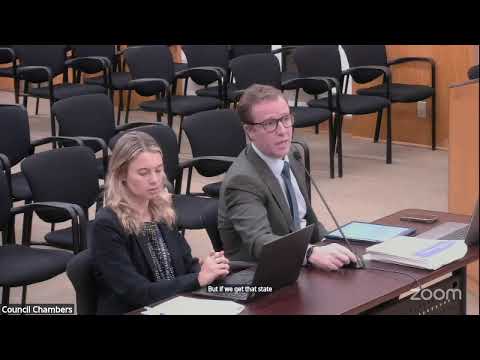
Public comment was sharply divided. Supporters described the Promenade as a civic gathering space that has already improved the downtown experience during trial closures; Bill Hoffman, a longtime resident, said the pedestrian space “is the only place you can really relax” in town and praised the SWA design. Several business owners and downtown residents called for a citywide vote or a more thorough community survey and urged the council to examine hydrology, potential flood impacts and parking impacts before permanent closure. Other commenters argued the public‑outreach process had been inadequate or that the project was being “railroaded.”
Council action and next steps
The council voted to adopt the Slow Streets ordinance (second reading) and to hold a follow‑up hearing on the Forest Avenue designation after the ordinance becomes effective. The ordinance takes effect 30 days after adoption; council members agreed to schedule council consideration of the Forest Avenue slow‑street designation at a meeting following that date. Staff also noted the coastal development permit related to the promenade would be reviewed through the city’s coastal permit process; that administrative CDP was scheduled for consideration the next day by the Community Development director.
Why this matters
The Slow Streets ordinance creates a consistent, citywide legal path for pedestrian plazas or permanent street closures and sets notice and technical requirements for any street closure. The Promenade discussion touches on infrastructure questions (drainage, flood control), downtown parking, business impacts and whether a permanent closure is appropriate for the city’s central commercial corridor.
What to watch
Staff will post a red‑lined ordinance and related materials and schedule the Forest Avenue designation on the council calendar after the ordinance’s effective date. The community may also follow the administrative coastal development permit process and any appeals that arise from that action.